
Medical College of Wisconsin Biochemistry Faculty
Primary Faculty

Francesca M. Marassi, PhD
Professor, Chair, and Eminent Scholar; Interim Chair, Department of Biochemistry
Karin Hoffmeister, MD
Professor, Department of Biochemistry and Department of Medicine (Hematology and Oncology); Hauske Family Endowed Chair in Glycobiology, Senior Investigator, Blood Research Institute, Versiti

Nicholas Jarjour, PhD
Associate Investigator, Versiti Blood Research Institute; Assistant Professor
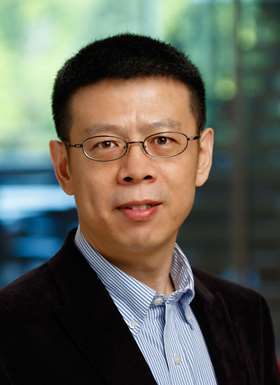
Yan-Qing Ma, PhD
Senior Investigator, Versiti Blood Research Institute; Professor
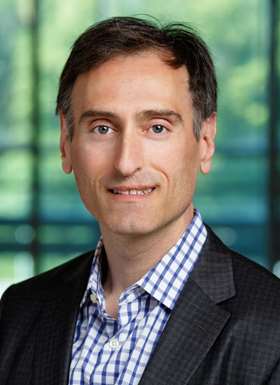
Adriano Marchese, PhD
Professor; Program Director, Biochemistry Graduate Program; Director, Interdisciplinary Doctoral Program in Biomedical Sciences (IDP)

Thomas McFall, PhD
Assistant Professor
I am interested in experimental-systems approaches that enable mechanism-based inference in genomic medicine and can help identify patients for selective therapeutic strategies.

Ravi P. Misra, PhD
Associate Provost, Accreditation and Program Development; Professor


Joshua Muia, PhD
Associate Investigator, Blood Research Institute; Assistant Professor
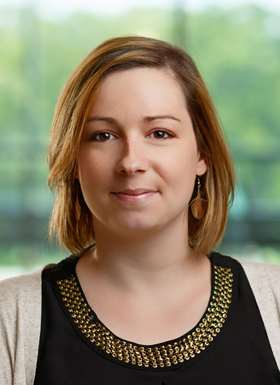
Stephanie Olivier-Van Stichelen, PhD
Associate Professor, Biochemistry; Secondary Faculty in Neurosurgery, Obstetrics & Gynecology and Data Science Institute

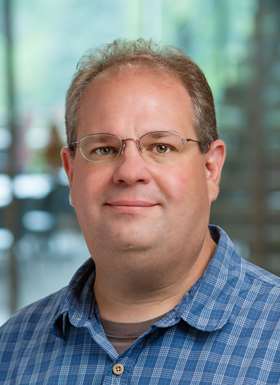
Francis Peterson, PhD
Professor of Biochemistry, NMR Facility Manager, Small-Molecule Screening Team Leader
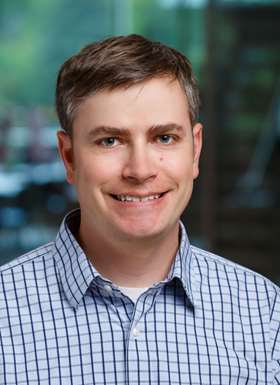
Brian Smith, PhD
Associate Director, Program in Chemical Biology; Associate Professor, Biochemistry
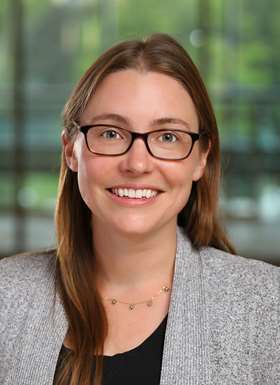
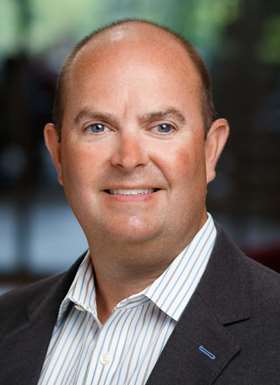
Brian F. Volkman, PhD
Director, Program in Chemical Biology; Professor, Biochemistry
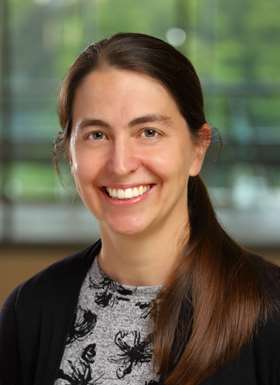

Hongxu Xian, PhD
Associate Investigator, Versiti Blood Research Institute; Assistant Professor
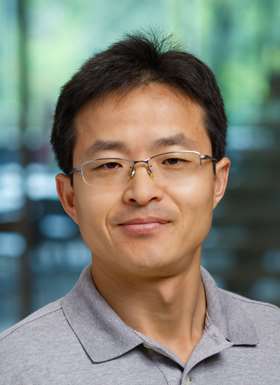
Jieqing Zhu, PhD
Investigator, Versiti Blood Research Institute; Professor
Secondary, Adjunct, & Emeritus Faculty
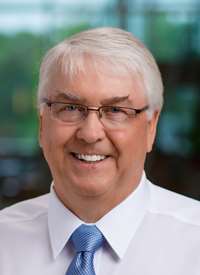
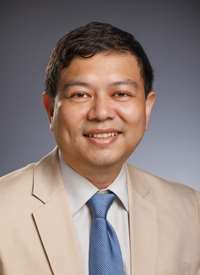
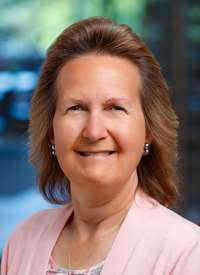
Rebekah Gundry, PhD
Professor & Vice Chair, Cellular & Integrative Physiology, University of Nebraska; Adjunct Professor
Blake Hill, PhD
Professor and Chair, Pharmaceutical Sciences, University of Colorado Anschutz; Adjunct Professor
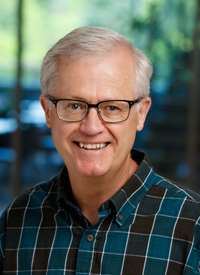
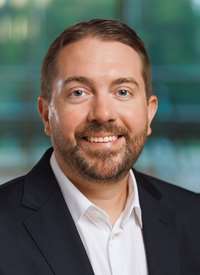
Christian Kastrup, PhD
Professor, Department of Surgery; Senior Investigator, Versiti Blood Research Institute; Secondary Faculty
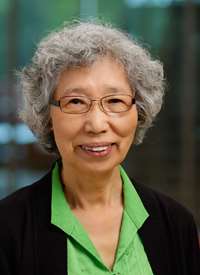

Liang Liang, PhD
Assistant Professor, Obstetrics & Gynecology; Secondary Faculty in Biochemistry
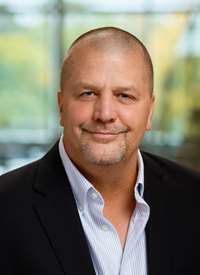
Jeffrey A. Medin, PhD
Professor, Pediatrics (Hematology/Oncology); Secondary Faculty
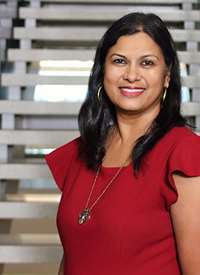
Daisy Sahoo, PhD
Dean, School of Graduate Studies; WIS Founders Circle Endowed Professorship; Secondary Faculty in Biochemistry and Pharmacology and Toxicology
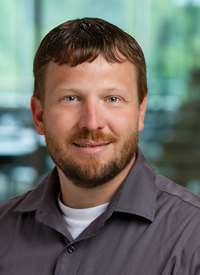
Kenneth Matt Scaglione, PhD
Assistant Professor, Molecular Genetics & Microbiology, Duke University; Adjunct Professor
Matthew Schwartz, PhD
Research Specialist Howard Hughes Medical Institute, University of Utah Adjunct Professor
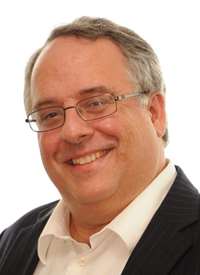
Daniel Sem, PhD
Professor, Pharmaceutical Sciences, Concordia University Wisconsin; Adjunct Professor
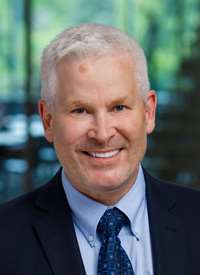
James P. Thomas, MD, PhD
Professor, Medicine (Hematology/Oncology); Secondary Faculty
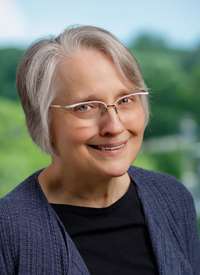
Chris Veldkamp, PhD
Professor of Chemistry, University of Wisconsin-Whitewater; Adjunct Professor
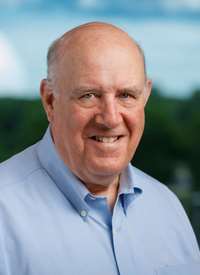
Gilbert C. White, II, MD
Senior Investigator Emeritus, Versiti Blood Research Institute; Professor, Department of Medicine; Secondary Faculty