Researcher Targets Machinery That Keeps Drug-Resistant Pathogens Alive
As a kid growing up in Illinois, Christopher Kristich, PhD, loved taking things apart — radios, electronics, whatever he could get his hands on — to better understand how they worked.
Now he uses that same instinct in his research at the Medical College of Wisconsin (MCW), where he is a professor of microbiology & immunology and the director of the Center for Infectious Disease Research. Dr. Kristich studies the molecular machinery of drug-resistant microbes. Armed with a new $3.1 million R01 grant, he is looking for a way to disable that machinery.
"I believe that understanding molecular mechanisms is really critical to the development of effective and durable antibiotics," he says. "If you know how something works, then you can figure out the most effective way to break it."
Such work is crucial in a world where bacteria not only vastly outnumber antibiotics — there are more individual cells in a teaspoon of bacterial culture than humans on the entire planet — but can also figure out how to mutate to evade such drugs. "They're smarter than we are," he says.
Developing new antibiotics is one answer, but highly impractical.
"We're talking about 10 years and a billion dollars for one drug," Dr. Kristich says. "Even if we had an entire library of new molecules that looked like they could be antibiotics, the path to turning them into a drug is long, convoluted, and expensive."
Hospital-Acquired Infections That are Hard to Treat
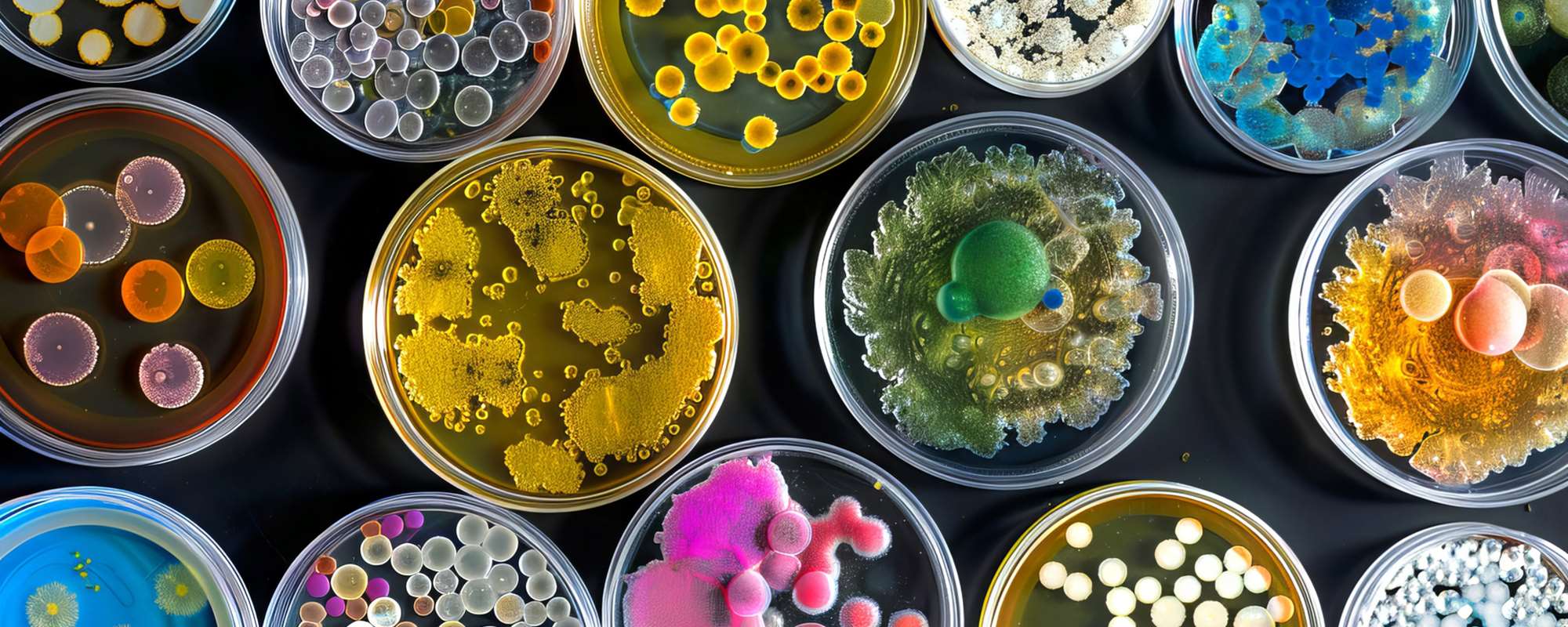
Dr. Kristich's lab focuses on a family of bacteria called enterococci, which are organisms that usually live harmlessly in most people's intestines, where they are outnumbered by thousands of other bacterial species. But under the right conditions, they can become formidable pathogens. 
"They're naturally resistant to an entire family of antibiotics," Dr. Kristich says. "They're also notorious for being good at exchanging DNA with their neighbors, which means that they can very easily pick up new antibiotic resistance genes from neighboring bacteria."
When a patient receives antibiotics for any reason — infection, surgery, cancer treatment — those drugs can wipe out large portions of the normal gut microbiome. Then, because enterococci are antibiotic-resistant, they survive and rapidly expand to fill the void.
From there, they can escape the intestinal tract and cause serious infections elsewhere in the body. Since patients often receive antibiotic treatments in the hospital, the bacteria spread to other vulnerable patients.
"These bacteria are one of the top three causes of hospital-acquired infections," he says, "and these infections can be very difficult to treat."
Shifting Focus Downstream
The new R01 grant builds on nearly a decade of foundational work in Dr. Kristich's lab. In earlier research, he studied a family of proteins called PASTA kinases — molecular sensors that detect when the bacterial cell wall is under attack from antibiotics and trigger a response to counteract them.
Dr. Kristich explored whether disabling that detection system could be a viable drug strategy — if bacteria couldn't detect the threat, they couldn't respond to it. But enterococci, characteristically, found a way around it.
"What happens is you end up selecting for mutant forms of the bacteria that have bypassed the signaling protein," he says. "It wouldn't be durable. It would be very easy for them to overcome it."
Dr. Kristich shifted his focus downstream — to what happens after the alarm goes off.
Blocking Shape-Shifting Proteins
With this new grant, Dr. Kristich will focus on finding a new way to knock out the proteins that drug-resistant enterococci depend on to survive.
Those proteins act like bricklayers, building the wall that surrounds and protects the bacterial cell. Without that wall, the bacterium dies.
The idea of attacking that wall is not new. It is the same strategy that has underpinned antibiotic treatment for decades. Penicillin and related antibiotics — drugs in use since the 1940s — work by jamming one specific part of those proteins, stopping construction cold.
But the proteins have a second part that scientists have largely ignored for years because its purpose wasn't clear. Recent research, including work from Dr. Kristich's lab, has found that this part physically moves — flexing between different shapes — and that the movement is important for the protein to do its job.
Dr. Kristich's hypothesis is that this shape-shifting behavior is essential for the protein to build the cell wall. If that's true, a drug that locks this part of the protein in place, preventing it from moving, could shut down the building process.
Since this part of the protein exists even in strains already resistant to current antibiotics, such a drug might work where existing treatments fail.
"If we can understand how this part of the protein works, we might be able to come up with a new way to inhibit its function — completely different from the antibiotics we already know about," Dr. Kristich says. "It could be a way to overcome existing antibiotic resistance that's already out there."
A Strategic Bet on Antibiotic Resistance
For Dr. Kristich, the decision to focus on antibiotic resistance was as strategic as it was scientific. When he was finishing his PhD — where he had been studying a basic signaling pathway in a soil-dwelling organism that causes no harm to humans — he began thinking carefully about where to place his scientific bets.
"I realized that the scientific ecosystem was already then, and was just becoming more and more competitive," he says. "Scientists really needed to be able to make a strong argument that what we were focused on was ultimately going to deal with a really important problem for human health."
Antibiotic resistance married his instinct for understanding how things work at a fundamental level with the kind of translatable, real-world impact that grant-makers want to fund.
That potential is already bearing fruit — an earlier collaboration with MCW colleague Nita H. Salzman, MD, PhD, professor of microbiology & immunology and founding director of Center for Microbiome Research, produced a patented "decolonization" strategy, introducing beneficial bacteria to crowd out drug-resistant enterococci in the gut before they can cause infection.
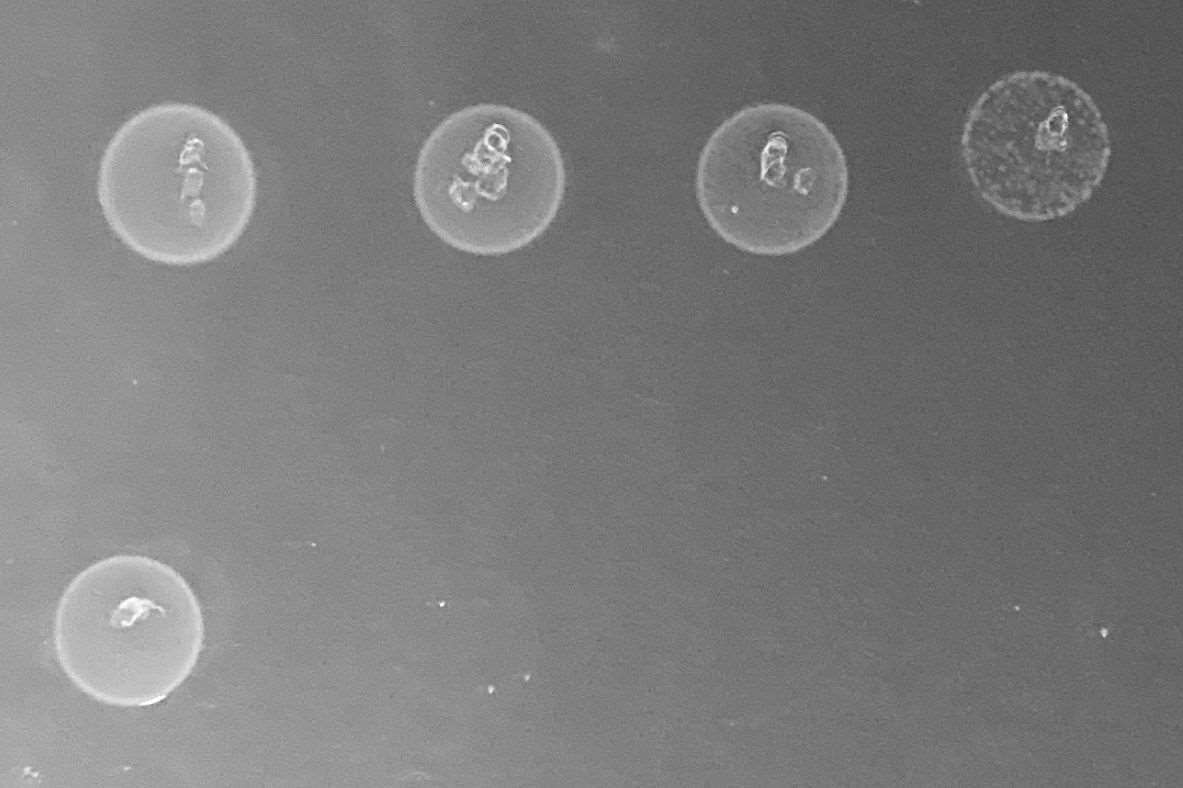
The research attracted enough interest to be presented at Milwaukee's First Look Forum, where academic researchers pitch marketable ideas to potential investors, and has since been licensed to a biotech company.
The decolonization technology still needs additional studies to satisfy regulators, Dr. Kristich says, and perhaps the clinical trials to demonstrate its effectiveness.
“I guess we'll find out in the years to come,” he says. The road to market is a long one, but he has plenty of research to do in the meantime.
Recommended


