header-logo
Mother Child W Physician

Medical College of Wisconsin Pediatric Psychology and Developmental Medicine (PPDM) Postdoctoral Fellowship Program

The Pediatric Psychology and Developmental Medicine (PPDM) one year fellowship is designed to be a challenging and dynamic program that provides advanced training in evidence-based, developmentally appropriate, and culturally sensitive psychological service, professional development, ethical decision-making, and scholarly inquiry.

The Pediatric Psychology and Developmental Medicine (PPDM) clinical postdoctoral fellowship program at the Medical College of Wisconsin (MCW) and Children’s Wisconsin (CW) provides advanced and specialized training in pediatric and clinical child psychology to promote professional development and prepare fellows for independent practice as psychologists who will contribute both to the welfare of society and to the profession.
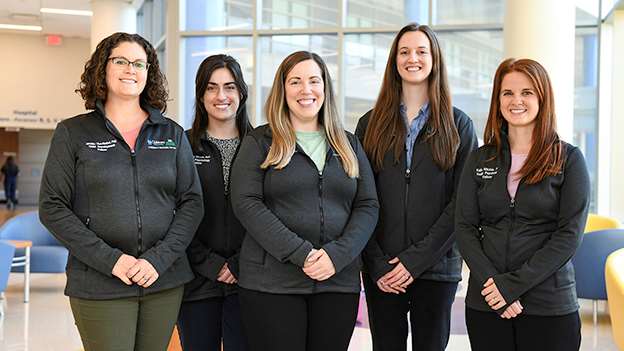
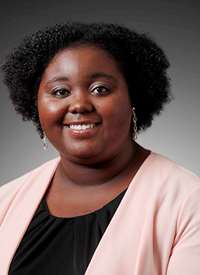
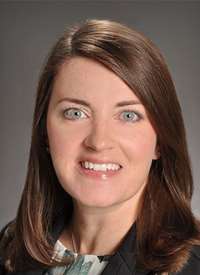
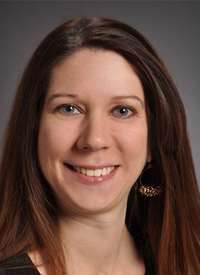
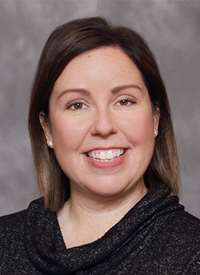
MCW PPDM Fellowship Current Fellows

Meet the PPDM Postdoctoral Fellowship Director | Jenny Hoag, PhD
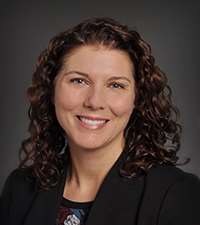
Jennifer Hoag, PhDDr. Hoag is an accomplished pediatric psychologist, holding a BA in Psychology from the University of Northern Iowa and a PhD in Clinical Psychology from the Illinois Institute of Technology. Her training included a pre-doctoral internship in Child Psychology at Schneider Children’s Hospital and a fellowship in Pediatric Psychology at the Medical College of Wisconsin. Since then, Dr. Hoag has developed a robust academic and clinical career at the Medical College of Wisconsin, where she currently holds the position of Professor in the Department of Pediatrics and the Department of Psychiatry and Behavioral Medicine. She is dedicated to preparing psychology trainees for the next step in their career by fostering clinical competency and encouraging independence, self-care, and flexibility. Dr. Hoag was selected as the first Fellowship Director for the Division of PPDM and aspires to continue to grow the program in the coming years.

In addition to her clinical and academic roles, Dr. Hoag is a dedicated researcher, currently leading projects that explore innovative interventions to enhance the well-being of children undergoing cancer treatment. Her research includes the use of virtual reality to increase physical activity among youth with cancer and investigating health-related quality of life among pediatric hematopoietic stem cell donors. Her work has culminated in presentations at the national and international level and over 20 published papers. She has been recognized with multiple awards, including the Children’s Specialty Group Excellence in Professionalism Team Award and the Survivorship Champion’s Prize. Dr. Hoag is actively involved in numerous professional organizations, including the Society of Pediatric Psychology of the American Psychological Association and the American Psychosocial Oncology Society, where she currently serves as Co-Chair of the Pediatrics/AYA Special Interest Group. As a member of several advocacy groups, she is committed to advancing psychosocial oncology and improving care outcomes for children and adolescents facing cancer.

Learn more about Dr. Hoag

As a PPDM fellow you will…

  • Receive specialized training in pediatric health psychology and/or child clinical psychology to prepare you for practice as a psychologist in an academic medical center
  • Be taught by experts in subspecialities ranging from FNSD, cancer, autism, PCIT, and eating disorders amongst others
  • Be supported in scholarly endeavors, including attending and presenting at relevant conferences, learning to complete a peer review of a journal submission, and successfully passing the EPPP
  • Practice being a psychology advocate through participation in the Wisconsin Hospital Association Advocacy Day
  • Learn within a broader training community that includes psychology practicum students, psychology residents, and medical residents
  • Be part of a division that recognizes and values respect, belonging, and inclusivity

About Our Institutions

Medical College of Wisconsin (MCW)

The Medical College of Wisconsin brings together the most inquisitive minds in science, medicine, education and community engagement to solve the toughest challenges in health and society today. Academic medicine is at the core, where scientists, physicians and students work hand-in-hand with the community to ask the questions no one else is and fuel the continuous cycle of knowledge that’s shaping the future of medicine.

Learn more about MCW

Children’s Wisconsin

Children’s Wisconsin is the region’s only independent health care system dedicated solely to the health and well-being of children. We offer a wide range of care and support for children of all ages. Our services include medical care, dental care, child and family counseling, foster care, adoption, social services, child advocacy and injury prevention.

Learn more about Children’s Wisconsin

About the PPDM Fellowship

We offer two tracks (Child Development and Pediatric Health Psychology) and different specializations within those tracks. Each specialization has its own schedule of clinical activities.

MCW Hub Building
all
A Day in the Life of a PPDM Fellow

Fellows spend approximately 70% of their time engaged in clinical activities and the remainder on administrative and academic activities, including time to attend didactics and engage in other educational and professional development activities. Didactics occur on Friday mornings and cover professional development topics, supervision, ethics, and DEI topics. Fellows receive a minimum of two hours of individual supervision per week from a licensed psychologist on faculty. Supervision is focused on clinical care, scholarly work, and career development. Additionally, fellows participate in peer supervision monthly facilitated by a faculty psychologist. The purpose of this group supervision is to spend time discussing a variety of issues, while also fostering a sense of community, building relationships, and increasing socialization across the cohort. The focus is often on emergent interprofessional issues and relevant case discussions.

Research & Scholarly Activities

Fellows must participate in the following scholarly activities:

  • MBH rotation for medical residents: Medical residents are mandated to complete four weeks observing mental health experts during their residency, with a goal of increasing understanding of the role of mental health providers in a hospital setting. Fellows will be asked to provide shadowing opportunities throughout the year.
  • Fellows must give at least two unique academic presentations focused on the dissemination of research or information. This requirement can be met through an oralor poster presentation at a local or national conference, practicum or residency didactic, or teaching opportunity within your training track.
  • Fellows must complete a mentored peer review of a journal submission. Specialty Leads will assist in identifying a faculty mentor who will provide guidance and oversight.

Fellows must have their EPPP date scheduled by March 1 and successfully passed prior to the end of the fellowship year.

Adolescent Health

Clinical Experiences

Inpatient consultation/liaison (C/L) service
The fellow will complete new consults and follow-ups for medically hospitalized children, adolescents, and their families at Children’s Wisconsin. Fellows will conduct psychiatric diagnostic assessments at the bedside and follow patients who remain hospitalized for ongoing intervention throughout the work week. Most commonly, consults are for patients with presumed eating disorder symptoms who require the inpatient structured eating disorder guideline. On occasion, a consult will be placed for a patient in need of diagnostic clarity and outside resources or referrals for those patients with eating disorder symptoms but who do not require medical stabilization.

Multidisciplinary specialty clinics

  • Eating Disorder Treatment Clinic: Patients with disordered eating and associated medical complications or risks are seen within the multidisciplinary adolescent medicine clinic. Specialists include adolescent medicine, clinical nutrition, social work, and psychology.

Outpatient therapy clinic
The fellow will work with pediatric outpatients and their families who present with adolescent health related concerns, including disordered eating and the exploration of gender identity and sexuality. Caseload can be tailored based on the fellow’s interest.

Autism & Neurodevelopmental Disorders

The Autism Clinic is a multidisciplinary team housed at the Center for Child Development (CCD). This facility offers comprehensive and multidisciplinary care for children and families, addressing a variety of developmental concerns. Within the Autism Clinic, fellows play an integral role in expanding access to comprehensive evaluation and intervention services for children and adolescents with Autism Spectrum Disorder (ASD).

Clinical Experiences

  • ASD New Patient Evaluations: Conduct comprehensive diagnostic evaluations for children ages 0–18 referred for concerns related to autism.
  • Fast Track Program: Provide brief consultations, psychoeducation, and individualized recommendations to families of children recently diagnosed with autism by Children’s Wisconsin pediatricians.
  • Individual Psychotherapy: Deliver evidence-based psychotherapy to children with autism and co-occurring mental health conditions.
  • Group Therapy: Facilitate therapeutic groups for children and adolescents with autism targeting social skills and emotion regulation.
  • Parent-Child Interaction Therapy (PCIT): Fellows have the option to receive training and pursue certification in PCIT under supervision of a PCIT certified trainer. Fellows may be eligible for PCIT certification if all training requirements are met during their fellowship year.
  • Parent Education: Develop and lead educational workshops for caregivers of children with autism and related developmental conditions.
Consultation/Liaison and Pediatric Psychology

Clinical Experiences

Inpatient consultation/liaison (C/L) service
The fellow serves as a member of the Psychology C/L service by completing new consults for medically hospitalized children, adolescents and their families at Children’s Wisconsin. The Psychology C/L service is currently staffed by 5 psychologists and psychology trainees. Fellows conduct health and behavior assessments at the bedside and follow patients who remain hospitalized for ongoing intervention throughout the work week. Fellows communicate recommendations and liaise with multidisciplinary medical teams. Opportunities will be available to participate in psychosocial rounds throughout the week. Common referral questions include assessment and intervention around acute trauma symptoms, difficulties coping with hospital setting, adherence to treatment regimen, and adjustment to new diagnosis.

Multidisciplinary specialty clinics

The fellow works as a part of a multidisciplinary team in at least one of the following clinics. Clinic opportunities may vary based on supervisor availability. Additional clinic opportunities may arise throughout the year.

  • Asthma Plus Clinic: Patients with difficulty controlling their asthma symptoms are seen in multidisciplinary clinic by asthma or allergy provider, psychology provider, nurse clinician, medical social worker, and respiratory therapist through CHAMP (Community Health Asthma Management Program).
  • Solid Organ Transplant Clinics: Opportunities are available to work with patients as part of multidisciplinary clinics for kidney and liver transplant patients. Opportunities to participate in pre-transplant evaluations are also anticipated.
  • Diabetes Prevention Clinic: Patients at risk for developing Type 2 diabetes are seen in multidisciplinary clinic staffed by endocrinology provider, psychology provider and registered dietician.
  • Functional Neurological Symptom Disorder (FNSD) Clinic: Patients who have been diagnosed with FNSD are seen for follow-up in multidisciplinary clinic staffed by neurology and psychology providers.
  • Cystic Fibrosis Clinic: Opportunities to participate in multidisciplinary clinic for patients with cystic fibrosis may be available.

Outpatient health psychology clinic
The fellow will provide outpatient therapy services for children and adolescents through the Health Psychology Clinic at Children’s Wisconsin. Common referral questions include addressing emotional functioning in the context of a chronic medical condition, treatment adherence, medical trauma and adjustment to new medical diagnosis. Referrals may also include concerns related to general emotional and behavioral concerns.

Functional Disorders

The fellow in in this specialty splits their time between two distinct clinics where children and adolescents present with functional disorders.

Pain and Headache
The Pain and Headache Center is an interdisciplinary team of medical providers and psychologists specializing in bio-psychosocial treatment of youth with chronic pain and headaches. Youth present with a range of pain experiences including headaches, abdominal pain, myofascial pain, post-concussion syndrome, rheumatologic pain, and autonomic disorders. Often, they also experience anxiety, depression, or significant school related stress/avoidance. Fellows conduct bio-psychosocial evaluations as part of our team, develop treatment plans, co-facilitate Comfort Ability Program workshops, and implement cognitive-behavioral and family systems interventions. Biofeedback training is also available. Fellows have the opportunity to collaborate with schools and will develop a sophisticated understanding of the interaction between the mind and the body.

Functional Neurological Symptom Disorder (FNSD)
The FNSD Program at the Neurosciences Center provides outpatient, interdisciplinary care for children and adolescents with FNSD using a biopsychosocial, functionally-oriented model. Patients often present with functional disability across various domains (school, physical activity, sleep, and social life), as well as other comorbidities. Fellows participate in interdisciplinary assessment, psychoeducation, treatment planning, and evidence-based intervention as a part of a multidisciplinary team. Fellows will develop expertise in functional restoration and family-centered intervention as they work to collaborate with neurology and rehabilitation providers, coordinate care across family, school, and medical systems, and provide outpatient care to patients and families.

GI Disorders

Clinical Experiences

The fellow conducts outpatient health and behavior assessments, develops collaborative treatment plans, implements evidence-based interventions, and communicates and collaborates with multiple health care professionals within the GI team.

Multidisciplinary specialty clinics

  • Elimination Disorders Clinic: This weekly clinic offers specialized assessment and intervention for patients with toileting concerns including constipation, encopresis, enuresis, and failure to toilet train normally. Fellows will have the opportunity to lead a 7-week group intervention (Poop Group) twice throughout the year and gain umbrella supervision experience with psychology residents and practicum students.
  • Feeding, Swallowing & Nutrition Program: This internationally recognized program offers comprehensive assessment and intervention for pediatric feeding disorders within an interdisciplinary team of medical providers, psychologists, speech language pathologists, and registered dieticians. The role of psychology is to assess biopsychosocial concerns related to feeding and swallowing and provide behavioral intervention to improve feeding skills. Opportunities may exist to work with patients with Avoidant-Restrictive Food Intake Disorder (ARFID).
  • Inflammatory Bowel Disease (IBD) Clinic: This clinic provides annual assessment of psychosocial functioning in patients with Inflammatory Bowel Disease in conjunction with gastroenterologists, nurses, registered dieticians, and a research coordinator. Common issues addressed include coping and adjustment to new diagnosis, medication adherence, pain management, school functioning, and transition readiness skills for adult care.

Additional opportunities for exposure with Disorders of Gut-Brain Interaction (DGBI; e.g., recurrent abdominal pain, rumination, and Cyclic Vomiting Syndrome) and Celiac Disease are available via individual outpatient therapy clinic.

Hematology/Oncology/Blood and Marrow Transplant

The Hematology/Oncology/BMT service primarily operates within the MACC Fund Center, a 24-bed inpatient unit, day hospital, and outpatient clinic. Annually, the service provides care for approximately 200 newly diagnosed oncology patients, 400 patients with sickle cell disease, and 30 patients who undergo a BMT. The hospital routinely provides care to children from Wisconsin, Michigan, and Illinois.

Inpatient and outpatient care

The fellow provides continuity of care to patients across inpatient and outpatient settings and collaborates closely within the broader multidisciplinary and psychosocial team. Fellows are expected to conduct psychological assessment and psychotherapy, pre-BMT readiness evaluations, neurocognitive assessment for late effects of cancer treatment and to screen for neurocognitive functioning in the sickle cell population, and consultation/liaison with staff, schools, and community agencies.

Multidisciplinary specialty clinics

  • Bridge to Next Steps: This 2-visit clinic with a medical provider and psychology occurs around the time of transition off active therapy with a goal to increase patient and family understanding of the plan of care as they enter survivorship. Psychological assessment focuses on socioemotional and academic/vocational functioning in survivorship, providing anticipatory guidance and recommendations for positive adjustment.
  • Next Steps Survivorship Clinic: This biweekly clinic offers specialized care to monitor and manage possible late effects of treatment for survivors who are at least two years from pediatric cancer treatment or BMT. The role of psychology is to assess for and provide education around neurocognitive functioning and social and emotional health.
  • Comprehensive Sickle Cell Disease Clinic: This clinic provides annual assessment of psychosocial functioning in patients with sickle cell disease in conjunction with hematologists and several other disciplines. Common issues addressed include pain management, medication adherence, and school performance. In addition, developmental and neurocognitive screeners are provided to assess for disease-related deficits in neurodevelopment.
  • Comprehensive Hemophilia Clinic: This clinic follows pediatric, adolescent, and young adult patients with hemophilia and other bleeding disorders. The role of psychology is to broadly assess issues surrounding medication adherence, activity restrictions, social-emotional well-being, and transition of care. Collaborations include medical providers, social work, physical therapy, and genetic counseling.
  • Cancer Predisposition Clinic: This weekly clinic offers specialized training in the management of cancer predisposition diagnoses in patients both with a personal history of cancer as well as those who are generally healthy. Patients generally undergo genetic testing and screening to monitor for an increased risk of developing cancer. The team consists of an attending physician, physician assistant, two genetic counselors, and a nurse coordinator. The role of psychology is to assess social and emotional health needs, readiness to undergo genetic testing, anticipatory guidance related to medical screening, and emotional support for patients and families, many of whom have had a personal or family history of cancer and loss.
School Assessment

School Assessment Team
The School Assessment Team provides comprehensive evaluations for a variety of presenting concerns that can affect a child’s school functioning including learning concerns, dyslexia, cognitive delay, autism, selective mutism, anxiety, attention concerns, and trauma. This multidisciplinary clinic is designed to meet the diagnostic and treatment needs of children with a variety of conditions that affect interpersonal, academic, social, emotional, behavioral and family well-being. Treatment components are multifaceted and designed to meet the needs of each child and family. Parent training and education, group therapy, individual therapy, and collaborative efforts with school/community agencies are available. Where appropriate, medication management of developmental and psychiatric conditions is also available. The fellow in the School Assessment Team provides comprehensive evaluations for children and adolescents.

Individual and Group Therapy
The fellow also provides individual and/or group therapy for children, adolescents, and their family members for a variety of presenting concerns with the opportunity to prioritize fellow training goals regarding patient populations. Opportunities exist to work with children from ages 4 to 18 depending on the fellow’s areas of interest. Flexibility also exists in determining the balance of assessment and therapy hours in the fellow’s caseload based on interest, as well as to specialize in specific presenting concerns. More specific group offerings available to the fellow includes an ADHD virtual parent group, DBT skills group, and Selective Mutism Building Bravery Camp.

The fellow will have the option to receive training in Parent-Child Interaction Therapy (PCIT) by a PCIT International certified Within Agency Trainer. Those participating in this training opportunity can expect to provide PCIT services to 2-4 families per week with youth with ADHD and/or disruptive behavior diagnoses. Fellows may be eligible for PCIT certification if all training requirements are met during their fellowship year. Adjustments in assessment or therapy expectations will be discussed if a fellow pursues this PCIT training experience.

I feel so fortunate to have completed my pediatric health psychology fellowship at MCW. Throughout
my training, I was supported by supervisors who encouraged me to step outside my comfort zone and
shaped my growth as a pediatric psychologist. I feel fortunate to call Milwaukee my home, and value
working with such a diverse population. The variety of clinical rotations at MCW broadened my clinical
skills and prepared me to confidently care for patients and their families with a wide range of
backgrounds. I am grateful to continue my career at MCW and honored that it remains my professional
home.

PPDM Postdoctoral Fellowship Program Details

Application Process

Application Process

Qualified applicants will have graduated from an APA-accredited graduate program in clinical, counseling, or school psychology. Applicants must have their doctoral degree conferred prior to the start of the Pediatric Psychology and Developmental Medicine Fellowship Program. Children’s Wisconsin & the Medical College of Wisconsin encourage applicants from under-represented minority groups, women, and those with disabilities to apply.

Interviews will be conducted via a video platform. Applicants who do not meet required qualifications will not be considered for an interview and will be provided with proper notice. Interviews will be offered to applicants based on meeting qualifications and being identified as a good fit for the Fellowship. Notification of interview status will be given no later than January 1.

The application deadline is December 1.

Email completed applications to:

Jenna Ditch | jditch@mcw.edu
Educational Program Coordinator
Pediatric Psychology and Developmental Medicine

Employment Eligibility Requirements

Employment Eligibility Requirements

The Medical College of Wisconsin has eligibility requirements for employment. According to the Wisconsin Caregiver Law, any employer identified as a caregiver institution must conduct background checks. On background checks, applicants must disclose all crimes and offenses including all civil forfeitures, misdemeanors, ordinance violations, or fines. Applicants will also need to disclose any pending charges for crimes or offenses including civil forfeitures, misdemeanors, ordinance violations, or fines. Failure to disclose this information on your application or misrepresentation of a disclosure will be considered falsification and will remove you from eligibility for employment. Please refer to the Wisconsin Caregiver Background Regulations and the list of Offenses Affecting Caregiver Eligibility to determine disqualifying events. All disclosures will be evaluated for relevancy to the job.

Required Qualifications

Required Qualifications

  • Completion of a PhD or PsyD from an APA-accredited doctoral program in clinical, counseling, or school psychology
  • Conferral of doctoral degree prior to start of fellowship
  • Internship/residency must be APA-accredited
  • Strong core child clinical psychology psychotherapy and assessment experience
  • Substantial experience in pediatric health psychology during internship/residency for those applying to any of the pediatric health psychology positions (i.e., Functional Disorders, Adherence, Hem/Onc/BMT, Adolescent Health, Orthopedics)
  • Substantial experience in assessment of children with learning or developmental disabilities for those applying to the School Performance and Autism fellowship positions
  • Interest in pursuing a career in child clinical or pediatric health psychology
Required Materials

Required Materials

  • Cover letter specific to each track to which you are applying
  • Curriculum vitae illustrating past clinical and research experience
  • Three letters of recommendation. One must be from Internship/Residency Training Director. You may use the same letters of recommendation for all tracks to which you are applying.
EPPP Support

EPPP Support

The program values the fellow's transition from fellowship into independent practice. As such, fellows will have access to support for studying for and completing the EPPP. The following EPPP support is available to each fellow:

  • Funding to purchase online access to EPPP practice exams through AATBS
  • Financial support for EPPP registration and Wisconsin state license fees
Stipend & Benefits

Stipend & Benefits

Clinical fellowship appointments are full-time (average 40-hour week) for one year. Our clinical fellows acquire 2,000 supervised hours during the training year to qualify for state licensure requirements.

Fellows receive a salary that is competitive and exceeds NIH fellowship guidelines. Benefits are robust and include health, dental, vision, and disability insurance. Funds for conference travel are available. Fellows are granted 20 days of vacation per year.

Current Fellows

headshot

Abigail Brandenburg, PhD

Center for Child Development – School Assessment

Pre-Doctoral Internship, C.S. Mott Children’s Hospital, University of Michigan | PhD, University of Wisconsin-Milwaukee | MS, University of Wisconsin-Milwaukee

headshot

Sara Lampert-Okin

Pediatric Psychology and Developmental Medicine Fellow

headshot

Courtney Larsen

Pediatric Psychology and Developmental Medicine Fellow
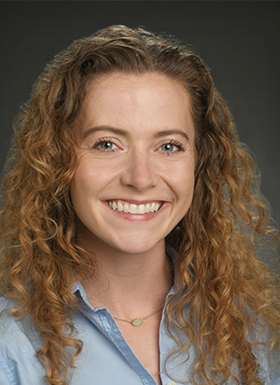
headshot

Sydney Pauling, MA

Pediatric Psychology and Developmental Medicine Fellow

MA, University of Texas-Austin

headshot

Samantha Stageman

Pediatric Psychology and Developmental Medicine Fellow

Program Graduates

2025-2026

  • Sarah Boeding, PhD
  • Sweta Bose, PhD
  • Abigail Brandenburg, PhD
  • Ellison Choate, PhD
  • Meena Chockalingam, PhD
  • Brent Tuescher, PsyD

2024-2025

  • Kimberly Brown, PhD
  • Eliza Godfrey, PhD
  • Katie Ritchie, PhD

PPDM Postdoctoral Fellowship Core Faculty
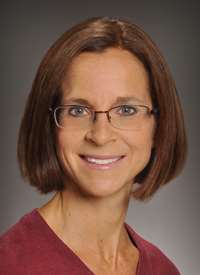
headshot

Andrea Begotka, PhD

Associate Professor
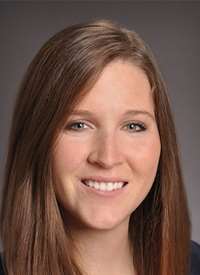
headshot

Kristin M. Bingen, PhD

Professor; Psychology Program Director
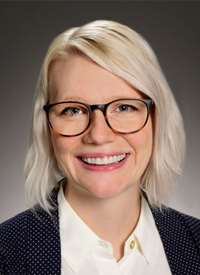
headshot

Jennifer A. Hoag, PhD

Professor of Pediatrics
headshot

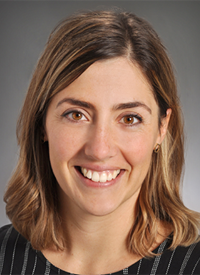
Jeffrey S. Karst, PhD

Associate Professor of Pediatrics
headshot

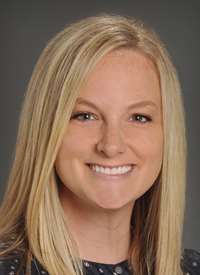
Jennifer LeNoble, PhD

Assistant Professor of Pediatrics

headshot

Patricia Marik, PsyD

Associate Professor of Pediatrics

headshot

Stephen J. Molitor, PhD

Assistant Professor of Pediatrics

headshot

Alexandria Robers, PhD

Assistant Professor

headshot

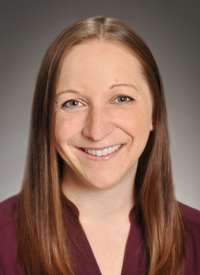
Jacquelyn J. Smith, PhD

Associate Professor of Pediatrics
PPDM Postdoctoral Fellowship Accreditation & Licensure Requirements

Accreditation Information

Non-accredited. Questions related to the program’s accreditation status should be directed to the Commission on Accreditations:

Office of Program Consultation and Accreditations
American Psychology Association
750 1st Street, NE, Washington DC 20002
(202) 336-5973 | apaacred@apa.org | APA Website

Licensure Requirements

Although a formal postdoctoral fellowship is not a requirement of licensure in Wisconsin (please see Psychology Licensing Requirements in Wisconsin, “455.04 Licensure of Psychologists”), the Pediatric and Clinical Child Psychology Postdoctoral Fellowship Program exceeds the requirements needed for licensure in Wisconsin by offering postdoctoral hours for licensure and EPPP support.


Reasons to live in Milwaukee

Milwaukee is a one-of-a-kind city with a vibrant and diverse culture, this charming, yet metropolitan must-see is just 90 minutes north of Chicago and nestled on the coast of Lake Michigan. Whether you’re catching a show at Summerfest, the world’s largest music festival, immersing yourself in the old world charm of the Historic Third Ward or taking in the sights and sounds of one of the many cafés, beer gardens or restaurants that line the city’s riverbank and shoreline, Milwaukee never disappoints. Find out why MCW residents and fellows take pride in calling Milwaukee home.

Contact Us

Pediatric Psychology and Developmental Medicine | Children’s Wisconsin | 8915 West Connell Ct., Health Psychology | Milwaukee, WI 53226
headshot

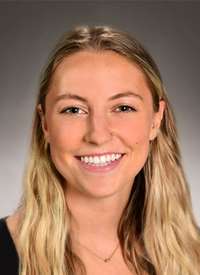
Jenna N. Ditch

Health Psychology Pediatric Track Residency and Fellowship Education Coordinator III

HealthPsychology@mcw.edu