header-logo
Physician Patient

Medical College of Wisconsin Child and Adolescent Psychiatry Fellowship

The Child and Adolescent Psychiatry Fellowship at the Medical College of Wisconsin Affiliated Hospitals prepares competent physicians to be excellent child and adolescent psychiatrists for their work with children and families across the lifespan.

This ACGME-accredited program takes advantage of a rich community of resources to provide a broad training experience with patients of various cultural and socioeconomic backgrounds.

Fellows are immersed in multiple systems of care including public, private, medical, correctional, and behavioral health. Longitudinal experiences dedicated separately to therapy and medication management span the two years. The range and breadth of our patient-centered approach ensures fellows are well prepared to effectively treat and advocate for children and families as well as the profession.

Didactics and seminars enhance clinical experiences by emphasizing the biological, psychological, and sociocultural components that influence normal development.

Taught by faculty with varied backgrounds and educational experiences, the curriculum covers the many topics critical to child and family work. Faculty leadership and involvement at both the regional and national level enhances both didactic and clinical experiences and provides fellows opportunities for mentorship and career guidance.

As an MCW Child & Adolescent Psychiatry Fellow you will...

  • Learn to diagnose and treat youth mental health disorders through comprehensive clinical experience, developmental understanding, and evidence-based multidisciplinary care
  • Develop expertise in diagnosing and managing a full spectrum of child/adolescent mental health disorders across diverse settings, such as outpatient clinics, inpatient units, emergency rooms, schools, and juvenile justice systems
  • Cultivate skills in ethical, culturally sensitive, and evidence-based care, while preparing for leadership roles in mental health advocacy and academic medicine
  • Master various treatment modalities, including psychopharmacology, individual psychotherapy (cognitive-behavioral, psychodynamic), family therapy, and parent guidance
  • Build skills to critically evaluate research literature and engage in scholarly pursuits to advance the field
  • Integrate knowledge of normal and abnormal child development, family systems, and biological/social factors into clinical practice

About Our Institutions

Medical College of Wisconsin (MCW)

The Medical College of Wisconsin brings together the most inquisitive minds in science, medicine, education and community engagement to solve the toughest challenges in health and society today. Academic medicine is at the core, where scientists, physicians and students work hand-in-hand with the community to ask the questions no one else is and fuel the continuous cycle of knowledge that’s shaping the future of medicine.

Learn more about MCW

Children’s Wisconsin

Children’s Wisconsin is the region’s only independent health care system dedicated solely to the health and well-being of children. We offer a wide range of care and support for children of all ages. Our services include medical care, dental care, child and family counseling, foster care, adoption, social services, child advocacy and injury prevention.

Learn more about Children’s Wisconsin

Application Process

The Child and Adolescent Fellowship Program at the Medical College of Wisconsin offers four (4) positions annually for a total of eight (8) fellows.

Candidates for the program apply via ERAS (Electronic Resident Application System).

Applications open with the ERAS Fellowship cycle beginning July 1, and we accept applications through November 30. Interviews take place in the fall for the upcoming academic year.

Program Rotations

all
Year 1

Aurora

  • Child and Adolescent Psychiatry Partial Hospitalization Program

Children’s Wisconsin

  • Pediatric Consultation-Liaison Psychiatry
  • Pediatric Emergency Psychiatry
  • Psychotherapy Clinic
  • Psychopharmacology Clinic

Rogers Behavioral Health | Brown Deer, WI

  • Inpatient Child and Adolescent Psychiatry
  • Child and Adolescent Residential Program

View the first year sample rotation (PDF)

Year 2

Children’s Wisconsin

  • Psychotherapy Clinic
  • Psychopharmacology Clinic
  • Center for Child Development
  • Child Advocacy Center
  • Pediatric Neurology
  • Child Psychiatry Consultation Program (CPCP)
  • Administrative/Chief Fellow Rotation
  • Elective Rotations

Milwaukee County Behavioral Health Division

  • Community Consultation (Wrap-Around Milwaukee)
  • Children’s Mobile Crisis Team (CMCT)
  • School-based mental health with Milwaukee College Prep School
  • Juvenile Detention Center
  • Coordinated Opportunities for Recovery and Empowerment (CORE) Clinic

Rogers Behavioral Health | Oconomowoc, WI

  • Adolescent Psychiatry Residential Treatment Program (FOCUS Program)

Clement J. Zablocki VA Medical Center

  • Family Programs and Parenting

Aurora Behavioral Health

  • Aurora Family Services Community Based Program

View the second year sample rotation (PDF)

Seminars

The first and second-year fellows attend weekly seminars to allow for better program cohesion, maximizing faculty interaction and engagement, and providing all fellows a rich learning experience. The fellows also participate in Case Conferences, Journal Club, PRITE/board review, Experiential Group, and Department of Psychiatry Grand Rounds.

Topics include:

  • Research
  • Practice and Professionalism
  • Normal Development
  • Therapy series that includes didactics on Cognitive Behavioral Therapy, Dialectical Behavioral Therapy, Biofeedback, Group Therapy, Family Therapy, Psychodynamic Psychotherapy, Trauma Focused, Motivational Interviewing, Behavioral Therapy, Play Therapy, Solution Focused, and Parent-Child Interactional Therapy
  • Psychopharmacology
  • Integrative Psychiatry
  • Pharmacogenomics
  • Substance Abuse
  • Consultation to Community and Schools
  • Autism Spectrum Disorders and Intellectual Disabilities
  • Consultation Liaison
  • Pediatric Neurology
  • Neuropsychological Testing
  • Metabolism, Elimination, Interactions, and Side Effects (MEISE)
  • Psychopathology
  • Infant Mental Health
  • Medical Toxicology
  • Pediatric Sleep Disorders
  • Cultural Psychiatry and Community Engagement
  • Forensic Child Psychiatry
  • Patient Safety and Quality Improvement
  • Compassion Fatigue
  • E-Professionalism

View samples of the 2-year didactic curriculum schedules:

CAP Didactic AY 2026-2027 (PDF)

CAP Didactic AY 2025-2026 (PDF)

A Day in the Life of a Child & Adolescent Psychiatry Fellow

all
Year 1

First year rotations include partial hospitalization, inpatient, or consultation liaison. Medical students and residents are commonly paired with a fellow, which allows for teaching and mentorship.

Aside from 7-8 weeks on call per year, nights and weekends are free. We spend time outside of work with pets and families, joining local teams, frequenting restaurants, and attending concerts and shows. Given Milwaukee’s ideal location, it’s easy to plan a weekend trip to Chicago or north to Door County or Green Bay.

A full day on the inpatient rotation at Roger’s Behavioral Health told by First-Year CAP Fellow Benjamin Tittle, MD:

  • I wake-up at 5 a.m. and head straight to the dog park where my two Australian shepherds zip around to burn off energy before we spend the morning together on the couch for breakfast listening to an audiobook or podcast.
  • The commute to Roger’s is the longest I have this year, about 20 minutes total. I leave at 6:30 and rarely see traffic on the road. Parking on location takes less than a minute to find a spot and walk inside.
  • I review charts and prep notes for 30-40 minutes before walking to the unit and seeing patients with the medical student and attending. After a brief treatment team meeting, we dedicate the rest of the day to med student education, writing notes, family sessions, and returning phone calls.
  • After a short commute back to my apartment, I run or (ski!) on the trails near my building with my dogs; then I’m involved with clubs and activities most nights of the week including volleyball, ultimate frisbee, and a weekly game night.
  • My mornings are the same on Tuesdays, but I leave Rogers by 11:30 a.m. to head back to Children’s Wisconsin for the noon hour board review, research seminar, or resident business meeting. Then, I have psychotherapy supervision followed by a half day psychotherapy clinic.
  • Wednesdays allow for a change of pace. We attend morning didactics together, then transition to psychopharmacology clinic for the afternoon. After clinic, we discuss new intakes and program updates. Often, we enjoy snacks from the breakroom, and fellows regularly get together for lunch or go to dinner after our wrap-up meeting.
Year 2

Your shift to second year can be described as more personalized to specific areas of interest with your schedule becoming increasingly flexible, allowing protected time for scholarly work, leadership development, board preparation, or electives tailored to career goals.

  • Fellows are provided a dedicated workspace in the outpatient behavioral health clinic at Children’s Wisconsin. Remote access to the electronic health record for flexibility is available across settings.
  • Rotations vary depending on your specified block but begin around 8-9 a.m. in a variety of settings including specialized clinics, community-based rotations, and school based rotation.
  • The rest of your day may consist of evening home call (5:30 p.m. onward) and weekend home call based on the call schedule (7-8 call weeks per year).
  • Didactics occur Wednesdays from 8 a.m.-12 p.m., and include case conferences, lectures, journal club, Adverse Events Analysis, Grand Rounds, and Experiential Group, followed by Psychopharmacology Clinic at Children’s Wisconsin.
  • Other conferences occur on Tuesdays at noon and include rotating PRITE/boards review, research seminar, and Fellow business meeting; therapy supervision takes place from 1-2 p.m., followed by therapy clinic.
  • Second year fellows have a separate Psychopharmacology Clinic on Thursday afternoon at Children’s Wisconsin that encourages increased autonomy.
  • There is free covered and uncovered parking options available. There are also several cafeterias and cafes throughout the medical complex.

Meet the Team

Directors | Erica Arrington, MD, and Nisha Shah, MD

Erica Arrington, MD, FAPADr. Erica Arrington has been the Program Director for the Child and Adolescent Psychiatry Fellowship Program at the Medical College of Wisconsin since May of 2019. She is excited to be the Program Director for this competitive fellowship training program. Dr. Arrington brings enthusiasm and a wealth of experience in academics, administration, and community mental health. As a clinician educator, she is passionate about teaching and mentoring fellows, residents, and students.

Dr. Arrington is a member of the American Association of Directors of Psychiatric Residency Training; member of local and regional American Academy of Child and Adolescent Psychiatry (AACAP); and a member of the American Psychiatric Association (APA).

Dr. Arrington earned a Bachelor of Science degree from North Carolina State University. She completed her general psychiatry residency and fellowship training in Child and Adolescent Psychiatry at University of North Carolina at Chapel Hill School of Medicine. She is board-certified in both General Psychiatry and Child and Adolescent Psychiatry.

Dr. Arrington is on the medical staff at Children's Wisconsin where she specializes in the treatment of children with mental health disorders across the diagnostic spectrum. Her areas of interest include the treatment of early onset childhood schizophrenia and bipolar affective disorder. She also holds administrative positions in the Department of Psychiatry including Vice-Chair for Cultural and Community Engagement as well as Associate Vice-Chair of Child and Adolescent Services for Psychiatry.

Learn more about Dr. Arrington


Nisha Shah, MD


Nisha Shah, MD

Dr. Nisha Shah is the Associate Program Director for the Child and Adolescent Psychiatry Fellowship.
Learn more about Dr. Shah

Coordinator

headshot

Brenda Konczal

Education Program Coordinator III

Fellows

headshot

Shahzad Ahmad, DO

Fellow, Second Year

Medical School: A.T. Still University of Health Sciences Kirksville College of Osteopathic Medicine; Residency: Indiana University School of Medicine Vincennes, IN

headshot

Amaal Bhaloo, MD

Fellow, Second Year

Medical School: University of Virginia Medical School; Residency: Medical College of Wisconsin, Milwaukee

headshot

Benjamin Tittle, MD

Fellow, Second Year

Medical School: Medical College of Wisconsin, Milwaukee; Residency: Medical College of Wisconsin, Green Bay

Faculty

headshot

Jennifer Apps, PhD

Assistant Provost of Faculty Affairs; Professor

headshot

Amna Aziz, MD

Assistant Professor

headshot

Robert P. Chayer, MD

Chief, Associate Professor

headshot

David J. Cipriano, MS, PhD

Associate Professor

headshot

Matthew Jandrisevits, PhD

Assistant Professor, MCW Department of Psychiatry & Behavioral Medicine
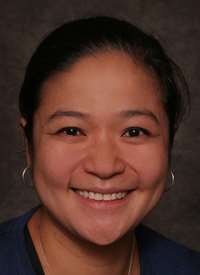
headshot

Rosa Kim, MD

Associate Professor

headshot

Colleen Manak, MD

Assistant Professor

headshot

Leora R. Massey, MD

Assistant Professor

headshot

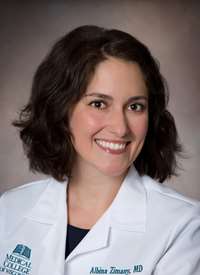
Albina L. Zimany, MD

Assistant Professor
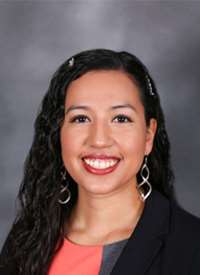
headshot

Laura Pulido, MD

Assistant Professor

headshot

Jennifer Zaspel, MD

Assistant Professor

headshot

Nicole Ballinger, DO

Aurora Partial Hospitalization Program

headshot

Aman Mahajan, MD, MRCPsych

Rogers Behavioral Health

headshot

Shane Moisio, MD

Milwaukee County Behavioral Health Child and Adolescent Services


Reasons to live in Milwaukee

Milwaukee is a one-of-a-kind city with a vibrant and diverse culture, this charming, yet metropolitan must-see is just 90 minutes north of Chicago and nestled on the coast of Lake Michigan. Whether you’re catching a show at Summerfest, the world’s largest music festival, immersing yourself in the old world charm of the Historic Third Ward or taking in the sights and sounds of one of the many cafés, beer gardens or restaurants that line the city’s riverbank and shoreline, Milwaukee never disappoints. Find out why MCW residents and fellows take pride in calling Milwaukee home.

Contact Us

The Child and Adolescent Fellowship is accredited by the American Council for Graduate Medical Education (ACGME). Graduates of the two-year program are eligible for board certification in Child and Adolescent Psychiatry.

Erica Arrington, MD

Program Director

Brenda Konczal

Education Program Coordinator III