

Medical College of Wisconsin Health Psychology Residency Doctoral Internship Program, 2027-28 Residency Information
Program Aims
The Health Psychology Residency (Internship) program has the following program aims:
Aim 1
The Health Psychology Residency (Internship) program aims to train entry level health service psychologists who will be well prepared to pursue a health psychology (adult or pediatric) postdoctoral fellowship and eventually a career in a hospital, healthcare setting, or academic medical center.Aim 2
The Health Psychology Residency (Internship) program aims to train entry level psychologists in a scientist-practitioner model, with intent to produce health psychologists who integrate science into practice across roles as a psychologist.Aim 3
The Health Psychology Residency (Internship) program aims to train entry level psychologists to be integral members of a multidisciplinary health care team.Competencies
The program seeks to train interns in the Profession-Wide Competencies determined by the APA Commission on Accreditation (CoA) for practice in health service psychology.

(i) Research
(ii) Ethical and legal standards
(iii) Individual and cultural diversity
(iv) Professional values, attitudes, and behaviors
(v) Communications and interpersonal skills
(vi) Assessment
(vii) Intervention
(viii) Supervision
(ix) Consultation and interprofessional/interdisciplinary skills
Training Model and Program Philosophy
The health psychology residency program operates on a scientist-practitioner model with the goal of preparing psychologists for entry-level health service psychology practice. The psychology resident is conceptualized as an emerging psychologist who will be working under the supervision of a faculty psychologist as an integral member of the medical team, analogous to a medical resident. Over the course of the internship year, experiences will increase in responsibility, and the psychology resident will work more independently. Health psychology residents must demonstrate competence for entry-level psychology practice across the Profession-wide Competencies: research, ethical and legal standards, individual and cultural diversity, professional values, attitudes, and behaviors, communication and interpersonal skills, assessment, intervention, supervision, consultation, and interprofessional/interdisciplinary skills. The program is experiential in nature, but includes a Scholarly Project, which is a domain-specific, clinically based research project, program development project, or research-based presentation. This project seeks to ensure that residents can train broadly as health and pediatric psychologists, addressing clinical questions and concerns with empirical methods congruent with the scientist-practitioner model.
Clinical supervision will be the core training modality used, with the residents having the opportunity to directly observe and receive feedback from experienced health and pediatric psychologists, engage in direct one-on-one teaching that is bi-directional and conversational in nature, and receive direct feedback about written and psychotherapeutic work from an experienced practicing academic health psychologist. Residents will have training on providing supervision through didactic seminar training on supervision and acting as a clinical supervisor to an advanced practicum student in the Behavioral Medicine and Primary Care Psychology (adult track) and Pediatric Behavioral Medicine and Primary Care Psychology (pediatric track) clinics.
In line with the philosophy of training scientist-practitioner health and pediatric psychologists, residents will also integrate academic research into clinical practice, through use of empirically validated treatment modalities, integration of psychological science into clinical practice, and engagement in clinically-based research and process improvement. Cultural diversity, broadly defined, is also a core philosophical pillar and goal of the health psychology residency. Understanding a patient from his/her/their cultural background and context is essential. Multicultural awareness will be further developed and honed through assessment, case conceptualization and tailoring of health psychology interventions. Multicultural competence is important given the diversity of our Milwaukee patient population along multiple rays of diversity (e.g., racial/ethnic background, SES, sexual orientation, gender identity, religion, rurality, etc).
In addition to experiential training in assessment, intervention, and supervision, residents will engage in several didactic courses. All residents will participate in the Combined Health Psychology Didactic Series (meets weekly for two hours), the Wellness Brown Bag Lunch (meets monthly for one hour), and the Interactive Ethics Case Conference (meets monthly for one hour). The Adult Track Residents attend the Track Specific Adult Didactic Series (meets two times per month for one hour), while the Pediatric Track Residents attend the Track Specific Pediatric Series (meets two times per month for one hour). Residents will have opportunities for cross-professional training with other health discipline trainees through seminars and Grand Rounds offered at MCW, Froedtert Hospital, and Children’s Wisconsin.
Clinical supervision will be the core training modality used, with the residents having the opportunity to directly observe and receive feedback from experienced health and pediatric psychologists, engage in direct one-on-one teaching that is bi-directional and conversational in nature, and receive direct feedback about written and psychotherapeutic work from an experienced practicing academic health psychologist. Residents will have training on providing supervision through didactic seminar training on supervision and acting as a clinical supervisor to an advanced practicum student in the Behavioral Medicine and Primary Care Psychology (adult track) and Pediatric Behavioral Medicine and Primary Care Psychology (pediatric track) clinics.
In line with the philosophy of training scientist-practitioner health and pediatric psychologists, residents will also integrate academic research into clinical practice, through use of empirically validated treatment modalities, integration of psychological science into clinical practice, and engagement in clinically-based research and process improvement. Cultural diversity, broadly defined, is also a core philosophical pillar and goal of the health psychology residency. Understanding a patient from his/her/their cultural background and context is essential. Multicultural awareness will be further developed and honed through assessment, case conceptualization and tailoring of health psychology interventions. Multicultural competence is important given the diversity of our Milwaukee patient population along multiple rays of diversity (e.g., racial/ethnic background, SES, sexual orientation, gender identity, religion, rurality, etc).
In addition to experiential training in assessment, intervention, and supervision, residents will engage in several didactic courses. All residents will participate in the Combined Health Psychology Didactic Series (meets weekly for two hours), the Wellness Brown Bag Lunch (meets monthly for one hour), and the Interactive Ethics Case Conference (meets monthly for one hour). The Adult Track Residents attend the Track Specific Adult Didactic Series (meets two times per month for one hour), while the Pediatric Track Residents attend the Track Specific Pediatric Series (meets two times per month for one hour). Residents will have opportunities for cross-professional training with other health discipline trainees through seminars and Grand Rounds offered at MCW, Froedtert Hospital, and Children’s Wisconsin.
Program Structure
The program is comprised of two parallel tracks: adult health track (4 residents) and pediatric track (4 residents). All residents will participate in each specialty health psychology rotation (e.g., Adult Track- Cancer Psychology, Metabolic and Bariatric Psychology, Rehabilitation Psychology, and Trauma and Acute Care Psychology; Pediatric Track- Hematology/Oncology, Neonatal and Cardiac Intensive Care Unit, Gastroenterology, and Consultation/Liaison Service) for three months of the year. Concurrently, residents will see patients three half-days per week in the Behavioral Medicine & Primary Care (BMPC) Psychology clinic in the Department of Psychiatry (Adult Track) and the Pediatric Behavioral Medicine & Primary Care (PBMPC) Psychology clinic at Children’s Wisconsin. These clinics are located in the Department of Psychiatry and Behavioral Medicine and the Department of Pediatrics Section of Pediatric Psychology and Developmental Medicine respectively, each specializing in targeted health psychology interventions with patients who are (a) referred from a specialty clinic for health psychology services or (b) referred from primary care for management of health, behavioral, and psychological health concerns. Scheduled time is also allocated for research and program development (one half-day per week) and didactics and group supervision (one half-day per week). At least 25% of the residents’ time will be spent in direct 1:1 patient care.
Please see the schedule template below.
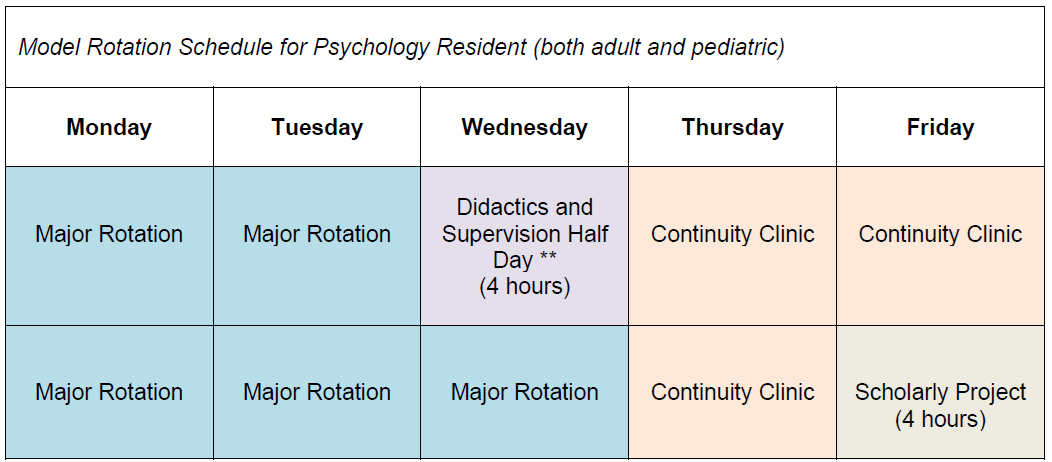
** Note. Pediatric Track Residents will complete their major rotation at Children’s Wisconsin and Adult Track Residents will complete their major rotation at Froedtert Hospital. The Adult Track continuity clinic (BMPC) is located at the Department of Psychiatry and Behavioral Medicine Tosa Center Clinics and the Pediatric Track continuity clinic (PBMPC) is located in the Pediatric Psychology Clinic at Children’s Wisconsin. All residents will spend Didactics and Supervision Half Day together.
During the Major Rotation, residents will be exposed to clinical practice in the areas of assessment, intervention, and consultation. They will also be exposed to multidisciplinary team meetings and other interdisciplinary and content specific educational experiences.
Each resident will have a broad range of supervision experiences including working with each of the major rotation supervisors (generally, the resident will work with more than one supervisor for each major rotation) and the supervisors in the BMPC Clinic. All residents will also have group supervision with residents from both tracks, the Training Director, and the Pediatric Track Director on a weekly basis. Residents will receive a total of at least 4 hours of individual supervision per week, with at least two of those hours being individual supervision. On a typical week, residents will have 2 hours of individual supervision with a faculty supervisor in their major rotation, 1 - 1.5 hours of individual supervision with their faculty supervisor in the BMPC/PBMPC continuity clinic, and 1 hour of group supervision with the Training Director and Pediatric Track Director.
The nature of the supervision will be direct observation, case review/discussion, and at times co-treatment with a supervisor (e.g., seeing patients together in hospital; group work). Supervision at each rotation will begin with direct observation and co-treatment with a supervisor and will evolve into case review and discussion as the resident demonstrates greater levels of development across the aforementioned competencies. A resident can expect to have greater levels of autonomy as their training experiences advance. Additionally, the residents will have an opportunity to provide supervision to practicum students in the BMPC and PBMPC clinics during the training year.
Please see the schedule template below.
** Note. Pediatric Track Residents will complete their major rotation at Children’s Wisconsin and Adult Track Residents will complete their major rotation at Froedtert Hospital. The Adult Track continuity clinic (BMPC) is located at the Department of Psychiatry and Behavioral Medicine Tosa Center Clinics and the Pediatric Track continuity clinic (PBMPC) is located in the Pediatric Psychology Clinic at Children’s Wisconsin. All residents will spend Didactics and Supervision Half Day together.
During the Major Rotation, residents will be exposed to clinical practice in the areas of assessment, intervention, and consultation. They will also be exposed to multidisciplinary team meetings and other interdisciplinary and content specific educational experiences.
Each resident will have a broad range of supervision experiences including working with each of the major rotation supervisors (generally, the resident will work with more than one supervisor for each major rotation) and the supervisors in the BMPC Clinic. All residents will also have group supervision with residents from both tracks, the Training Director, and the Pediatric Track Director on a weekly basis. Residents will receive a total of at least 4 hours of individual supervision per week, with at least two of those hours being individual supervision. On a typical week, residents will have 2 hours of individual supervision with a faculty supervisor in their major rotation, 1 - 1.5 hours of individual supervision with their faculty supervisor in the BMPC/PBMPC continuity clinic, and 1 hour of group supervision with the Training Director and Pediatric Track Director.
The nature of the supervision will be direct observation, case review/discussion, and at times co-treatment with a supervisor (e.g., seeing patients together in hospital; group work). Supervision at each rotation will begin with direct observation and co-treatment with a supervisor and will evolve into case review and discussion as the resident demonstrates greater levels of development across the aforementioned competencies. A resident can expect to have greater levels of autonomy as their training experiences advance. Additionally, the residents will have an opportunity to provide supervision to practicum students in the BMPC and PBMPC clinics during the training year.
Training Rotations and Experiences

Adult Track: Major Rotations
Adult Track: Continuity Clinic
Pediatric Track: Major Rotations
Pediatric Track: Continuity Clinic
Application and Selection Procedures
Qualified applicants will be students currently enrolled in an APA-accredited graduate program in clinical or counseling psychology. Applicants should have all coursework completed prior to internship/residency year. Preference will be given to applicants who have already proposed or defended their dissertation. Children’s Wisconsin, Froedtert and the Medical College of Wisconsin encourages applicants from under-represented minority groups, women, and those with disabilities to apply.
This residency seeks to train entry-level psychologists who will likely seek postdoctoral fellowship in academic health psychology (adult and/or pediatric); as such, the most competitive candidates will have an interest in practicing in--and will have relevant training and practicum experience in-health settings (e.g., hospitals, academic medical centers, integrated primary care settings). Competitive applicants will have experience with a balance of psychotherapy, behavioral medicine interventions, and health psychology-relevant psychological assessment, with at least some clinical experiences with patients who have a comorbid medical diagnosis. A preferred candidate would have a breadth of experience in general mental health (assessment, testing, and therapy) as well as at least one practicum in a health setting. Relevant health psychology and population health research is considered during the selection process, but clinical experience is more heavily weighted. Applicants likely to be reviewed will have a minimum of 400 hours of APPI intervention and ideally 50 APPI assessment hours.
This residency seeks to train entry-level psychologists who will likely seek postdoctoral fellowship in academic health psychology (adult and/or pediatric); as such, the most competitive candidates will have an interest in practicing in--and will have relevant training and practicum experience in-health settings (e.g., hospitals, academic medical centers, integrated primary care settings). Competitive applicants will have experience with a balance of psychotherapy, behavioral medicine interventions, and health psychology-relevant psychological assessment, with at least some clinical experiences with patients who have a comorbid medical diagnosis. A preferred candidate would have a breadth of experience in general mental health (assessment, testing, and therapy) as well as at least one practicum in a health setting. Relevant health psychology and population health research is considered during the selection process, but clinical experience is more heavily weighted. Applicants likely to be reviewed will have a minimum of 400 hours of APPI intervention and ideally 50 APPI assessment hours.
Qualifications & Requirements

Required Qualifications
Preferred Qualifications
Employment Eligibility Requirements
APPIC and Applications
A select group of applicants will be invited to interview virtually. Notification of interview status will be given no later than November 22. Interviews will be scheduled with the Health Psychology Residency Educational Coordinator.
APPIC Match Track Numbers
Adult Health Track Number: 241311Pediatric Track Number: 241312
Application Materials
Please submit the following required application materials through the online APPIC application process.
The application deadline is November 12.
- Included in the application materials are:
- APPIC Application for Psychology Internship (AAPI Online)
- Curriculum vitae illustrating past clinical and relevant research experience
- Graduate transcript
- Three letters of recommendation
For Further Information
Health Psychology Residency Educational Coordinator
Department of Psychiatry and Behavioral Medicine
Research Park Center, 3rd Floor,
10000 Innovation Dr.
Milwaukee, WI 53226
Additional Details
Administrative Policies and Procedures
Requirements for Completion
Facility and Training Resources
Directors

Heidi F. Christianson, PhD, MS
Professor; Vice Chair of Psychology

Lawrence A. Miller, PsyD
Associate Professor

Alan Silverman, PhD
Professor
Adult Training Faculty

Alexander Buhk, PhD
Assistant Professor
Julia Cameron, PhD
Assistant Professor of Psychiatry and Behavioral Medicine; Psychologist, Bone Marrow Transplant and Cancer Center

Terri A. deRoon Cassini, MS, PhD
Professor

Amber Craig, PhD
Assistant Professor
Amanda Dowling, PsyD
Assistant Clinical Professor

Amy Fraire, PhD
Assistant Professor, Psychiatry and Behavioral Medicine; Psychologist, Froedtert/MCW Bariatric Surgery and Medical Weight Loss Program

Timothy Geier, PhD
Assistant Professor

Erick Herrera Hernandez, PhD
Instructor of Surgery; Trauma and Health Psychology Postdoctoral Fellow; Trauma and Acute Care Surgery

Rebeccah Manson, PhD
Assistant Professor
Lawrence A. Miller, PsyD
Associate Professor

Andrew Schramm, PhD
Assistant Professor

Sydney Timmer-Murillo, PhD
Assistant Professor

Lyndsey Wallace, PsyD, ABPP
Associate Professor
Pediatric Training Faculty
Vanessa Aguilera Snyder, PsyD
Assistant Professor of Pediatrics


Andrea Begotka, PhD
Associate Professor

Elizabeth Fischer, PhD
Associate Professor of Pediatrics


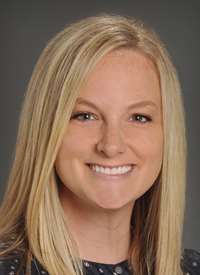

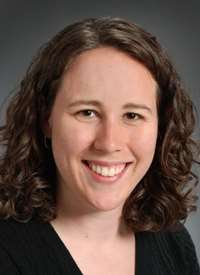
Patricia Marik, PsyD
Associate Professor of Pediatrics
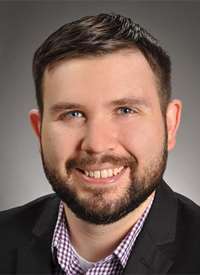

Alan Silverman, PhD
Professor
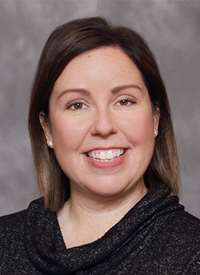

Meghan Wall, PhD, BCBA
Assistant Professor of Pediatrics
About The Medical College of Wisconsin, Froedtert, and Children’s Wisconsin
Hospital Partnerships
Froedtert, Children’s Hospital of Wisconsin, and the Medical College of Wisconsin regional health network is a partnership between Froedtert Health, Children’s Wisconsin, and the Medical College of Wisconsin. The health network has over 130 psychologists across a range of primary and specialty care adult practice locations in southeastern Wisconsin. The vision of Froedtert, Children’s Wisconsin, and the Medical College of Wisconsin is to be the premier regional health system through academic-community partnership and aligned health care across the region. The missions of the adult and pediatric health systems are to advance the health of communities through exceptional care that is enhanced by innovation and discovery.
Academic Departments and Clinical Programs
Medical College of Wisconsin psychologists are embedded within a range of academic departments and clinical programs across the Children’s Wisconsin and Froedtert Health networks. Psychologists are faculty of departments including Psychiatry and Behavioral Medicine, Pediatrics, Orthopedics, Neurology, Trauma and Acute Care Surgery, Anesthesiology, Obstetrics and Gynecology, Transplant Surgery, Plastic Surgery, Family and Community Medicine, Physical Medicine & Rehabilitation, Community-based Mental Health, and Pediatrics. Additionally, psychiatry faculty are embedded in medical specialty practices including endocrine, palliative medicine, bone marrow transplant, gastroenterology, general psycho-oncology, headache medicine, consultation/liaison psychiatry, outpatient rehabilitation, pediatric concussion clinic, and bariatric surgery. Pediatrics faculty from across the Department of Pediatrics subspecialty sections are embedded in clinics where residents provide services including the Consultation/Liaison Service, Gastroenterology, Hematology/Oncology, Neonatal and Cardiac Intensive Care Units, Orthopedics, Neurology, Trauma and Acute Care, Anesthesiology, Transplant Surgery, and Physical Medicine & Rehabilitation. Faculty psychologists provide psychological assessment, empirically validated treatments, psychotherapy, consultation, teaching, and research across clinical lines and throughout the institution.
History
Children’s Wisconsin, Froedtert Hospital, and the Medical College of Wisconsin have had an educational mission for over a century, starting in 1893 when medical student training began at the Wisconsin College of Physicians and Surgeons, later named Milwaukee Medical College, then Marquette University Department of Medicine/Milwaukee Medical College, and finally developing into the Medical College of Wisconsin in 1970. Through the iterations and years, the Medical College of Wisconsin has developed a range of medical and scientific training programs within adult and pediatric focused practice settings. The Medical College of Wisconsin has partnered with premier health systems including Froedtert Health and Froedtert Hospital, our adult flagship hospital, and Children’s Wisconsin, our pediatric flagship hospital. Each of these practice settings provide both general medical, biomedical, and other associated medical training programs at a basic science and clinical level. Froedtert, Children’s Wisconsin, and the Medical College of Wisconsin are constantly evolving as they transform into a fully rounded health sciences university and integrated health system.
Please refer to the full history of MCW.
Please refer to the full history of MCW.
Psychology Training
Psychology Training at Children’s Wisconsin, Froedtert Hospital, and the Medical College of Wisconsin includes training across departments and service lines. In both the pediatric and adult health psychology tracks of the program, there will be one to three Clinical Health Psychology fellows and two practicum students working alongside the psychology residents. In addition, Froedtert and the Medical College of Wisconsin has an adult focused Health Psychology Clerkship (practicum) that is housed in Trauma and Acute Care, providing clinical and counseling doctoral students with a range of health psychology experiences. Similarly, Children’s Wisconsin has a pediatric psychology externship (practicum) that is housed in the section of Pediatric Psychology and Developmental Medicine providing care across a range of pediatric psychology clinical services. Postdoctoral fellows are also integrated across departments and programs including trauma and acute care, pediatric hematology/oncology, pediatric pain, child development, and pediatric functional disorders. In addition to health psychology, Froedtert and the Medical College of Wisconsin, Department of Neurology, is the home to an APA-accredited neuropsychology postdoctoral fellowship. Although not all psychology programs are included under the same training umbrella, F&MCW and Children’s Wisconsin has an established history and program of psychology training.
Reasons to live in Milwaukee
Milwaukee is a one-of-a-kind city with a vibrant and diverse culture, this charming, yet metropolitan must-see is just 90 minutes north of Chicago and nestled on the coast of Lake Michigan. Whether you’re catching a show at Summerfest, the world’s largest music festival, immersing yourself in the old world charm of the Historic Third Ward or taking in the sights and sounds of one of the many cafés, beer gardens or restaurants that line the city’s riverbank and shoreline, Milwaukee never disappoints. Find out why MCW residents and fellows take pride in calling Milwaukee home.
Contact Health Psychology Residency Program
Froedtert and the Medical College of Wisconsin
Department of Psychiatry and Behavioral Medicine
1155 N. Mayfair Rd.
Milwaukee, WI 53226
(414) 955-8990
Department of Psychiatry and Behavioral Medicine
1155 N. Mayfair Rd.
Milwaukee, WI 53226
(414) 955-8990
Office of Program Consultation and Accreditation
American Psychology Association
750 1st Street, NE, Washington DC 20002
(202) 336-5979
apaaccred@apa.org
www.apa.org/ed/accreditation
American Psychology Association
750 1st Street, NE, Washington DC 20002
(202) 336-5979
apaaccred@apa.org
www.apa.org/ed/accreditation