Expanding the Borders of the Masters in Global Health Equity

Beginning this fall, the Master's of Science in Global Health Equity at the Medical College of Wisconsin (MCW) will transition to an asynchronous, online format – a move that will expand student access and allow for greater flexibility.
First launched in 2020, the 18-month program prepares students to address global health disparities, such as unequal vaccine distribution, cancer survival, or food access, in communities around the world.
As these challenges grow more complex and interconnected, they are no longer limited to specific regions – they span borders and involve a wider range of communities and organizations. The program’s transition to a flexible, remote format reflects this shift, accommodating students from diverse geographies and perspectives.
“Global health challenges are increasingly interconnected and we need a workforce that is prepared to work collaboratively across disciplines, cultures, and borders,” says Constance Shumba, PhD, director of the program. “By moving to a flexible, online format, we are opening the door to a much more diverse group of students while staying grounded in the program’s core mission to prepare leaders who will advance health equity globally.
Hands-On Global Learning
 MCW’s Global Health Equity master’s program attracts working professionals looking to advance their knowledge and skills in global health as well as those preparing for medical school or doctoral training. Students come from diverse disciplines, including public health, biology, policy, and the social sciences.
No matter their educational background, all students spend their first year gaining a rigorous foundation in epidemiology, statistics, ethics, cultural humility, and global health systems. Program faculty will be trained in online teaching design, ensuring that courses will be engaging and thorough.
In addition to online learning, students based near Milwaukee will have the opportunity to take in-person electives. The program will also offer optional faculty office hours where students can ask questions and deeply explore course content as well as meet fellow classmates.
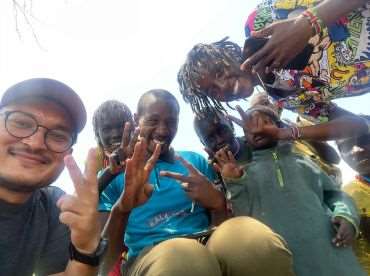
During the second year, students apply their learning in the program’s defining feature – a fully-funded, immersive global internship. Through this internship, students collaborate with international organizations to tackle health disparities. Past internships have included nutritional outreach in rural Kenya, developing a culturally relevant Type 2 diabetes intervention in Nepal, and launching an online campaign for a Rwandan youth health services organization.
During the program, students also conduct global health research under the guidance of an MCW faculty member, which culminates in a scientific thesis.“My thesis work assessed depression screening in community clinics in Rwanda,” says Ryan Jacobus, MS ‘22, a current doctoral student in psychiatric nursing practice. “The faculty at MCW provided support and guidance from project conceptualization to implementation. Because of the way MCW creates and nurtures international partnerships, I was able to make and maintain deep connections with professionals abroad.”
Post-Graduation Opportunities and a Commitment to Equity
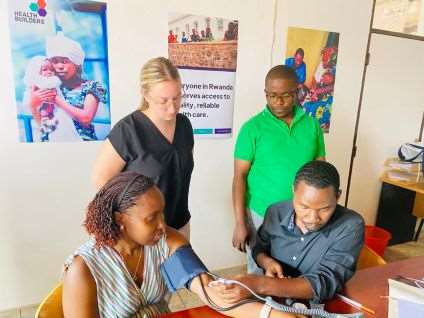 After graduation, students pursue a wide range of paths in global health. Some continue their education through advanced medical and doctoral programs, while others enter the workforce in roles with government health departments, refugee health organizations, or academic research teams.
"I work as a research program manager for the Center for Health Disparities Research,” says Abigail Rudd, MS ‘22. “The Global Health Equity program helped prepare me for this through hands-on experience and coursework in health disparities, qualitative research, and general skill building in the public and global health sector.”
Across the student experience – whether in the classroom, internships, or research—an equity-first mindset remains central to the program.
What makes this program unique is that equity is not just one course or a theme, it is the foundation of the entire curriculum,” says Dr. Shumba.
“Every component of the program asks students to think critically about power, ethics, and partnership in global health work. Combined with our small cohort model and close mentorship from faculty actively engaged in global health work, students receive a deeply personalized and practice-oriented education.”
MCW Global Health Equity Admissions FAQ
Request more information about the Global Health Equity program.
Recommended


