Finding the Best Way to Help Older People Living with HIV

Thanks to antiretroviral treatments, HIV has become a chronic, manageable condition for many in the United States. Now, those living with HIV can live just as long as HIV-negative people.
In fact, the majority of people living with HIV in the United States are now over age 50. But aging with HIV comes with its own array of issues, including managing comorbid conditions like diabetes and high cholesterol, and dealing with the social isolation that can accompany old age – which is often worse with HIV due to stigma.
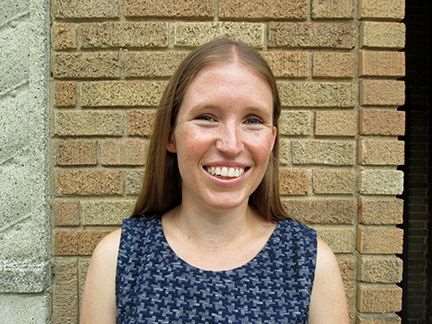 Finding the best way for this group to adhere to their medications and find the support they need to be as healthy as possible is a complex problem that energizes Jennifer Walsh, PhD, associate professor of psychiatry and behavioral medicine at the Medical College of Wisconsin (MCW).
“This is a whole new frontier of healthy aging,” she says.
For more than a decade, Dr. Walsh has studied both HIV prevention and interventions for those living with the disease, focusing much of her research on older people living in rural areas.
Now, with a new R21 grant from the National Institutes of Health, she is studying how stigma and other chronic conditions shape care engagement and medication adherence among older people living with HIV – and what sort of interventions might help them succeed.
Facing Isolation and Social Stigma in Rural Areas
Working with Andrew Petroll, MD, in MCW’s Center for Community Health and Intervention Research (CHAIR), Dr. Walsh has studied older people with HIV living in the rural South for the past seven years.
Because many older people living with HIV also have other health conditions, like diabetes and hypertension, they often take more medications and must coordinate more doctor visits than people without such complex conditions.
“If you’re in a rural area, doctors are farther away from you and you have fewer choices,” Dr. Walsh says. “There are often not providers who are trained to work with people living with HIV.”
On top of this, those living in rural areas find themselves more socially isolated and often have fragmented social networks due to HIV-related stigma and, for some, stigma tied to sexual orientation or gender identity.
Dr. Walsh and Dr. Petroll’s NIH R01-funded Project THRIVE is testing interventions – including social support groups and case management – to see what works best to help this group stay engaged in care and maintain viral suppression. To find out, the research team is using both surveys of participants as well as blood tests to evaluate viral load.
“This population of older rural people with HIV has been ignored by the system and by research,” Dr. Walsh says. “We hear a lot about loneliness and social stigma – how they drive to a pharmacy in another town to keep their life private – and so I’m really excited about the work we do to help them.”
Following the Data to Find the Best Interventions
Originally a developmental psychologist who focused on adolescent health, Dr. Walsh pivoted to studying HIV after getting her PhD, drawn by major needs and opportunities for impact in HIV prevention and care.
Though she “quit math” after high school, she took it up again as a graduate student after realizing how essential applied statistics is to answering real-world health questions.
“It has been an extremely useful skill set because there’s a real need for statisticians who can work in multidisciplinary teams and communicate findings in ways that are clear and usable,” she says.
With her new R21 grant, Dr. Walsh will again set her sights on studying older people with HIV, this time focusing on those who also have other chronic conditions in both urban and rural areas.
“The healthcare system tends to treat HIV and these other conditions as two separate lanes, but we want to bring them together to look at factors that impact adherence and care across multiple conditions,” Dr. Walsh says.
She and her team will interview 30 older people living with HIV to better understand the interplay among their conditions and social and structural factors. Then, they plan to survey 300 people to understand how stigma affects care, with the goal of informing new intervention approaches. As a statistician, she plans to “follow the data.”
“I ultimately want to find which interventions work to help older people remain engaged in care and adhere to their medications,” she says. “We already have a number of agencies who work with these populations reaching out to us, and we want to be able to give them evidence that interventions work.”
Recommended


