
In Search for Drugs to Treat Parasitic Worm Infections, Researchers Find Potential Target for Oral Pain Relief
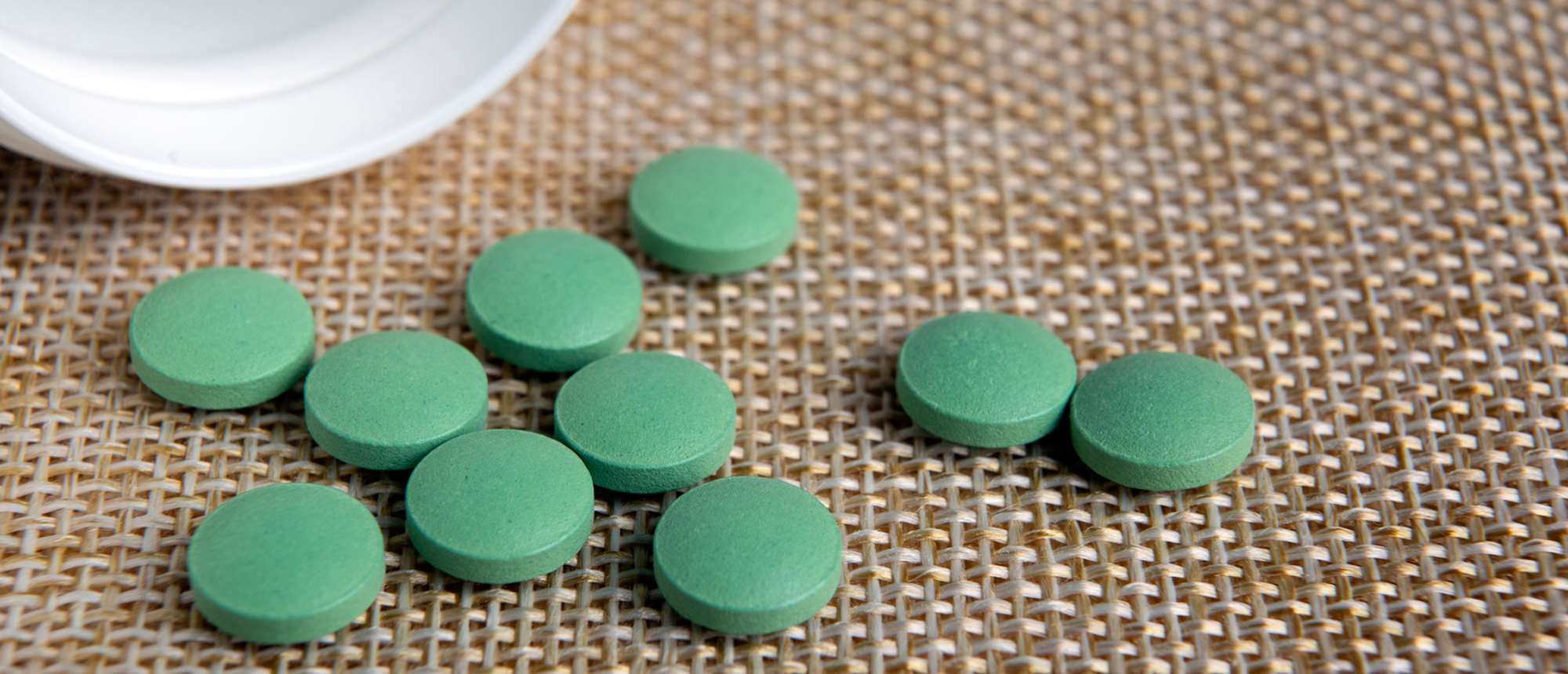
In a serendipitous discovery, researchers at the Medical College of Wisconsin (MCW) may have found a new approach to treat a painful oral condition called burning mouth syndrome – all while trying to find better medicines to kill parasitic worms.
The findings stem from previous work, where a team in the lab of Jonathan Marchant, PhD, found that clonazepam – a drug used to treat anxiety and seizures in humans – kills parasitic worms by activating an ion channel, known as a transient receptor potential (TRP) channel.
Now, the team investigated whether clonazepam targets a similar TRP channel in humans – specifically, a channel called TRPM8 that is responsible for sensing cold. Menthol and mint gum, for example, force this channel to open, making you feel a cooing sensation on your tongue.
They found that the drug did, showing that clonazepam also activates this specific TRP channel in humans. This was surprising as clonazepam is well known to activate another ion channel target in humans that underpins its use treating anxiety and seizures.
Now, the team hopes to harness this discovery to create new therapies for unwanted burning sensations, including for chemotherapy patients who suffer from oral pain during treatment.
“Often we think drugs have only one target in the body,” says Dr. Marchant, Marcus Professor and chair of cell biology, neurobiology and anatomy at MCW. “But this is rarely the case. This is a good example – clonazepam has been on the market for 50 years, but no one has discovered TRPM8 as a secondary target before.”
The results were recently published in Cell Chemical Biology and featured in a Science magazine post.
Discovering Drug Targets
Parasitic worms infect more than 1 billion people around the world each year. Though treatments exist, Dr. Marchant’s lab aims to find out how these existing treatments work to develop improved therapies.
One species of parasitic flatworm, schistosomes, infects more than 250 million people annually worldwide. Schistosome infections cause abdominal pain, diarrhea, and liver enlargement. It is a particularly debilitating disease for children.
In 2019, Dr. Marchant and his team discovered that praziquantel, the only drug used to treat this infection, activates a TRP channel in the parasite. TRP channels are ion channels involved in sensing environmental signals, things like temperature, taste, mechanical forces and oxidative stress. Praziquantel activates this channel to kill the worm.
Unfortunately, praziquantel is not 100 percent effective; it kills adult but not juvenile worms. Researchers had previously known that the drug clonazepam kills juvenile worms, but the worm target was unknown.
Marchant’s team solved this problem, identifying another TRP channel that was targeted by clonazepam. Intrigued that clonazepam would also target a TRP channel, graduate student Logan Elkin wondered if clonazepam might target a similar TRPM channel in humans.
Clonazepam activated the human TRPM8 channel, the cold-sensing channel in humans, responsible for mint gum feeling cold in your mouth. The result was a surprise.
“Sometimes, finding a drug target is like fishing for bass,” Elkin says. “You cast your line and catch a shark. That’s not supposed to happen. We found a completely different target, a complete fluke.”
A Potential New Avenue for Pain Relief
Identifying a secondary target for clonazepam could help researchers develop new or more focused therapies that activate this cold-sensing channel. That could include mouthwashes, drops, or topical medicines that act like Icy Hot patches.
The knowledge could help develop better therapies for burning mouth syndrome or for oral mucositis, painful conditions that can plague patients undergoing cancer chemotherapy.
“The oral pain can be so debilitating that it causes patients to stop their chemotherapy treatments,” says Elkin, who is supported by an MCW Cancer Center Graduate Fellowship. “If we developed a new therapy, perhaps it could help people stay on the therapy for longer.”
The finding also shows that worm and human pharmacology might be more closely intertwined than we think. “New anti-worm drugs may have unexpected uses in human disease, underscoring the importance of such basic discovery research,” Dr. Marchant says.
MCW PhD Program Admissions FAQ
MCW's Graduate School offers a variety of PhD programs that prepare students for careers in biomedical research, public and community health, and the life sciences. Students can pursue doctoral degrees across multiple disciplines, including opportunities for interdisciplinary study.
Recommended


