
Wisconsin Poison Center Clinical Toxicology Fellowship

About Our Program
The Wisconsin Poison Center in conjunction with the Medical College of Wisconsin (MCW) Department of Emergency Medicine, the MCW School of Pharmacy, Children’s Wisconsin, and Froedtert Pharmacy is excited to offer specialized training in clinical toxicology. This training program will educate and develop pharmacists into leaders in clinical toxicology and poison center management, culminating in certification as a diplomate of the American Board of Applied Toxicology (DABAT).
Our goals for trainees include:
- Develop a comprehensive foundation of clinical toxicology knowledge
- Clinical bedside toxicology experience
- Enhance clinical proficiency and practice skills through pharmacist staffing responsibilities
- Strengthen teaching effectiveness and expand academic contributions
- Achieve proficiency in poison center operations and case management
- Develop skills in community outreach and public health education
Why Choose MCW?
Fellowship trainees will have a well-rounded education and a variety of Clinical Experiences:
- They will answer phones as a Specialist in Poison Information at the Wisconsin Poison Center which handles about 38,000 exposures a year.
- They will participate in bedside toxicology consults with the medical toxicology service that sees over 300 consults per year at both Children’s Wisconsin and Froedtert Hospital.
- There will also be opportunities for staffing inpatient pharmacy services.
- Education will occur alongside the medical toxicology learners and the medical toxicology fellows.
- Trainees will have opportunities for teaching and precepting in the Medical College of Wisconsin School of Pharmacy.
Program Goals & Competencies
By completion, fellows will be able to:
- Evaluate and manage acute and chronic toxic exposures, including drugs, chemicals, envenomations, and environmental/occupational toxins.
- Conduct and apply toxicology research, critical literature review, and biostatistics to real-world problems.
- Teach and communicate toxicology concepts to learners and stakeholders.
- Provide expert consultation and leadership (e.g., poison centers, clinical services, public health).
One-Year Curriculum for PGY2 Entry
The curriculum moves from foundational science to advanced practice, leadership, research, and board preparation. The design emphasizes increasing clinical complexity, academic growth, and professional independence over time.
Two-Year Curriculum for PGY1 Entry
The curriculum is expanded to two years to allow time for greater incremental learning, reinforcement of clinical knowledge and practice, and advanced experiences.
How to Apply
Eligibility
We will be accepting applications from pharmacists who have completed or are in the process of completing a PGY1 or PGY2 program. Dependent upon the following criteria, applicants will be accepted for a one-year or two-year fellowship:
One-year fellowship applicants
- Completion or planned completion of a PGY2 training program
- Completion of a PGY1 training program with documented clinical experience with critically ill poisoned patients (i.e. years working as an EM or Critical Care pharmacist)
Two-year fellowship applicants
- Completion or planned completion of a PGY1 training program
Applications
Please submit the following application materials to Dr. Matthew Stanton (mastanton@mcw.edu):
- Letter of Intent
- CV
- Two letters of recommendation – one must be from a clinical supervisor or program director
Application submissions open December 1 and close April 1. Interviews will be offered on a rolling basis.
Reasons to live in Milwaukee
Meet Our Team
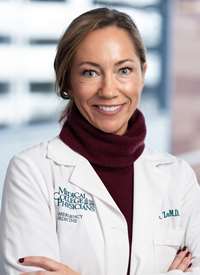
Amy Zosel, MD, MSCS
Professor; Division Chief, Medical Toxicology; Director of Research Operations and Mentorship
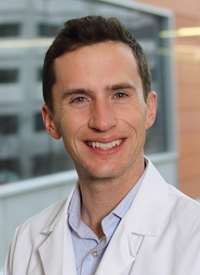
Grant Comstock, MD
Assistant Professor; Interim Associate Medical Director, Wisconsin Poison Center
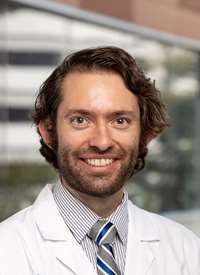
Justin N. Corcoran, MD
Assistant Professor; Director, Medical Toxicology Fellowship Program
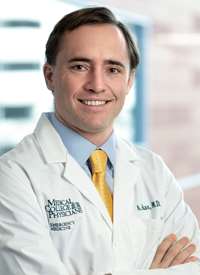
Andrew Farkas, MD
Associate Professor; Course Director, Toxicology Elective
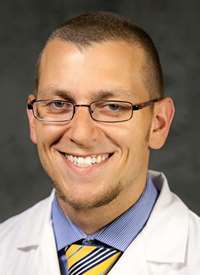
Ryan Feldman, PharmD, BCPS, DABAT
Clinical Associate Professor, Department of Clinical Sciences
Damilola Idowu-Ellsworth, MD
Assistant Professor; Assistant Director, Medical Toxicology Fellowship Program
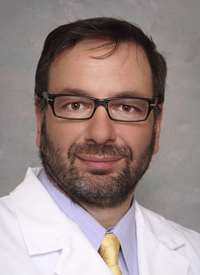
Mark Kostic, MD, FAACT, FACMT, FAAEM
Interim Chair; Professor
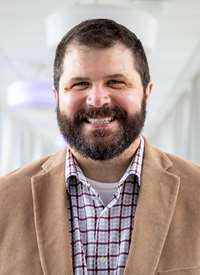
Matthew Stanton, PharmD, BCPS, DABAT
Clinical Associate Professor, Department of Clinical Sciences
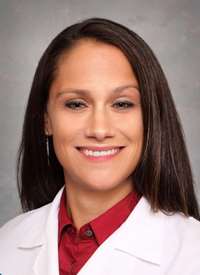
Jillian Theobald, MD, PhD
Associate Professor; Associate Medical Director, Wisconsin Poison Center
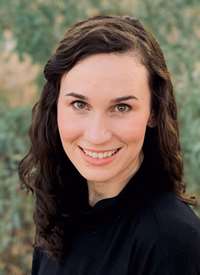
Michelle Thompson, DO
Assistant Professor
Merritt Tuttle, MD
Toxicology Fellow
Contact Us
Questions? We would love to hear from you.
Mailing Address/Physical Location
Department of Emergency Medicine
Medical College of Wisconsin
Linda T. and John A. Mellowes Health Innovation Center
8701 Watertown Plank Rd.
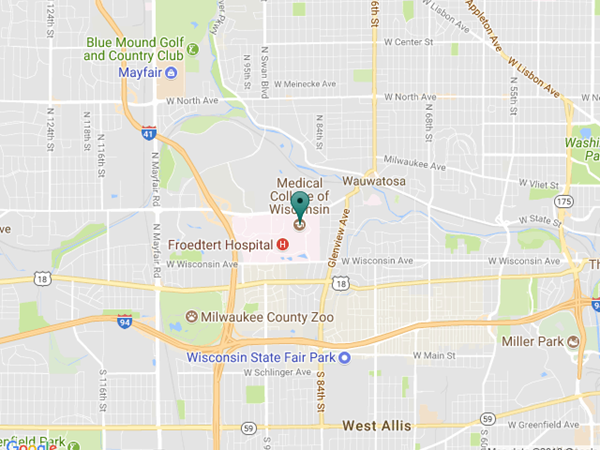
Milwaukee, WI 53226
Fellowship Coordinator
Janice Hinze
_emfellowships@mcw.edu
Administrative Office
(414) 955-6450
(414) 955-0082 (fax)